IN THIS ARTICLE:
Garlic might be one of the easiest crops to plant and one of the most satisfying to harvest. Pop a clove into the soil in autumn, and by the time summer rolls around, you’ll be digging up plump, fragrant bulbs ready for the kitchen.
But there’s a difference between a basic garlic harvest and a great one.
With the right prep, timing, and care, you can grow enough garlic to last through the year and maybe even share a few braids with friends.
Start With the Right Garlic Variety
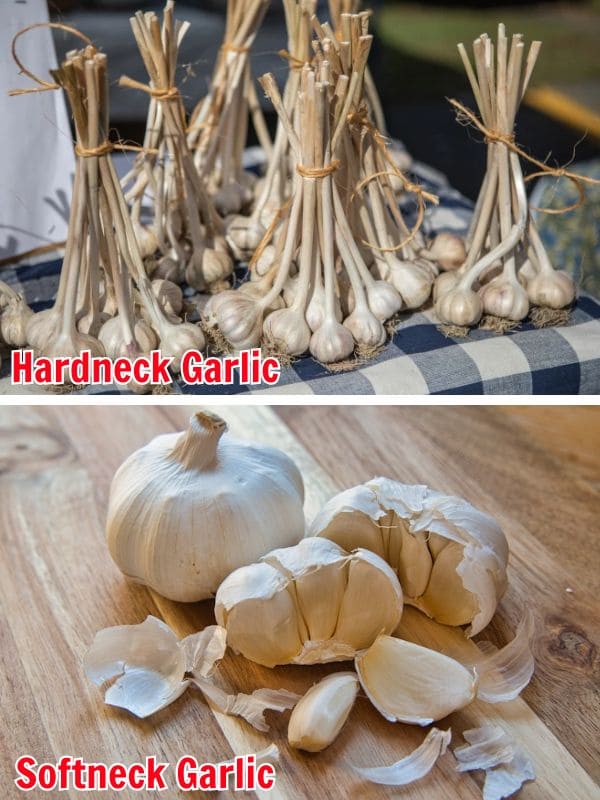
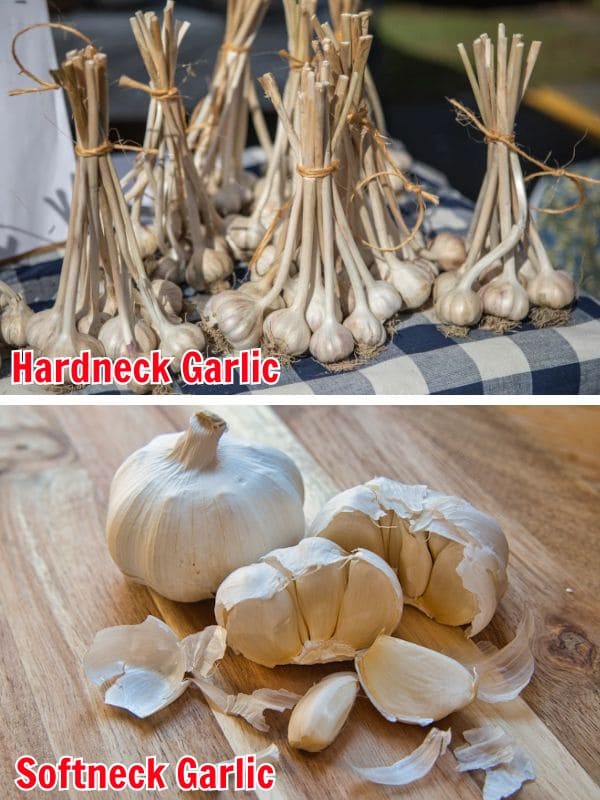
Before planting anything, decide what kind of garlic fits your climate and kitchen. There are two main types:
Hardneck garlic produces fewer but larger cloves with strong flavor. It grows best in colder climates (zones 3–7) and also offers delicious garlic scapes in late spring.
Softneck garlic stores longer and often has more cloves per bulb. It’s ideal for milder winters and works beautifully in braided bunches.
Skip grocery store garlic as it’s often treated to prevent sprouting. Instead, you should buy certified disease-free seed garlic from a nursery or garlic farm.
Read more: Softneck Vs. Hardneck Garlic: What Is The Difference?
Plant Garlics in Fall
Garlic needs a head start before the ground freezes.
The ideal planting window is 4-6 weeks before your first hard frost. That gives each clove enough time to develop roots before going dormant for winter.
In most areas, that’s late September through early November. Once planted, garlic settles in and sleeps through the cold, quietly preparing for explosive growth when spring arrives.
Prepare Soil That Garlic Loves
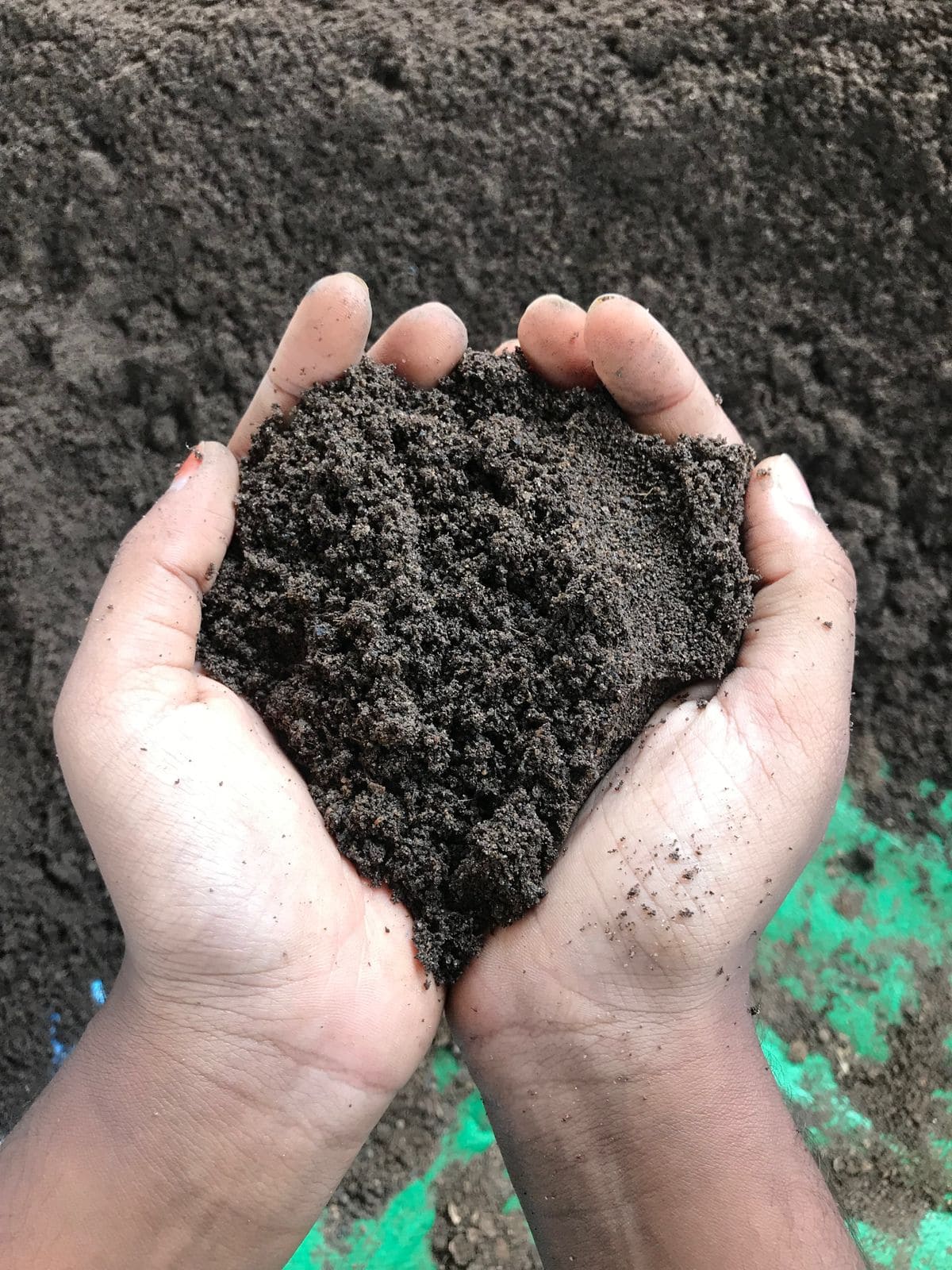
Garlic thrives in loose, well-drained soil rich in organic matter. Start by clearing weeds and loosening the soil down 8-10 inches.
If your soil is heavy clay, consider building raised beds or mixing in compost, leaf mold, and a little sand for texture.
Mix in a balanced organic fertilizer or aged compost before planting. Garlic is a heavy feeder, it needs a strong base of nutrients early on to bulk up those bulbs later.
Check the pH too as garlic prefers a range of 6.0 to 7.0. If your soil is too acidic, add some garden lime during preparation.
Plant Each Clove With Purpose
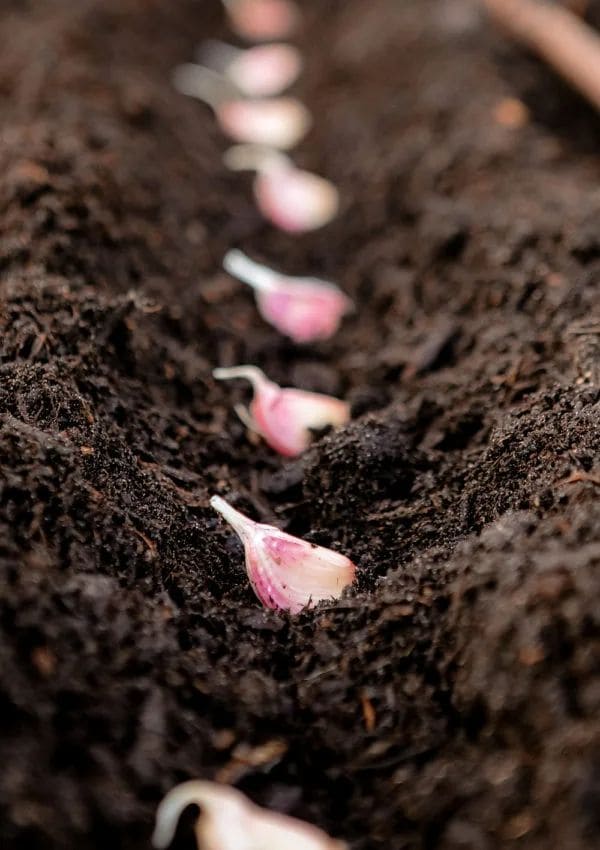
Firstly, break apart your garlic bulb into individual cloves, leave the papery skins on, and choose only the largest, healthiest ones. Each clove becomes a whole new bulb, so small or damaged cloves will only produce weak results.
Next, plant each clove pointy end up, about 2 inches deep, and space them 4-6 inches apart in rows that are 10-12 inches apart.
Consistent spacing allows for proper air circulation and bulb development. After planting, water thoroughly to settle the soil.
You won’t need to water much afterward, unless conditions are extremely dry.
Mulch Garlic Is Your Secret Weapon
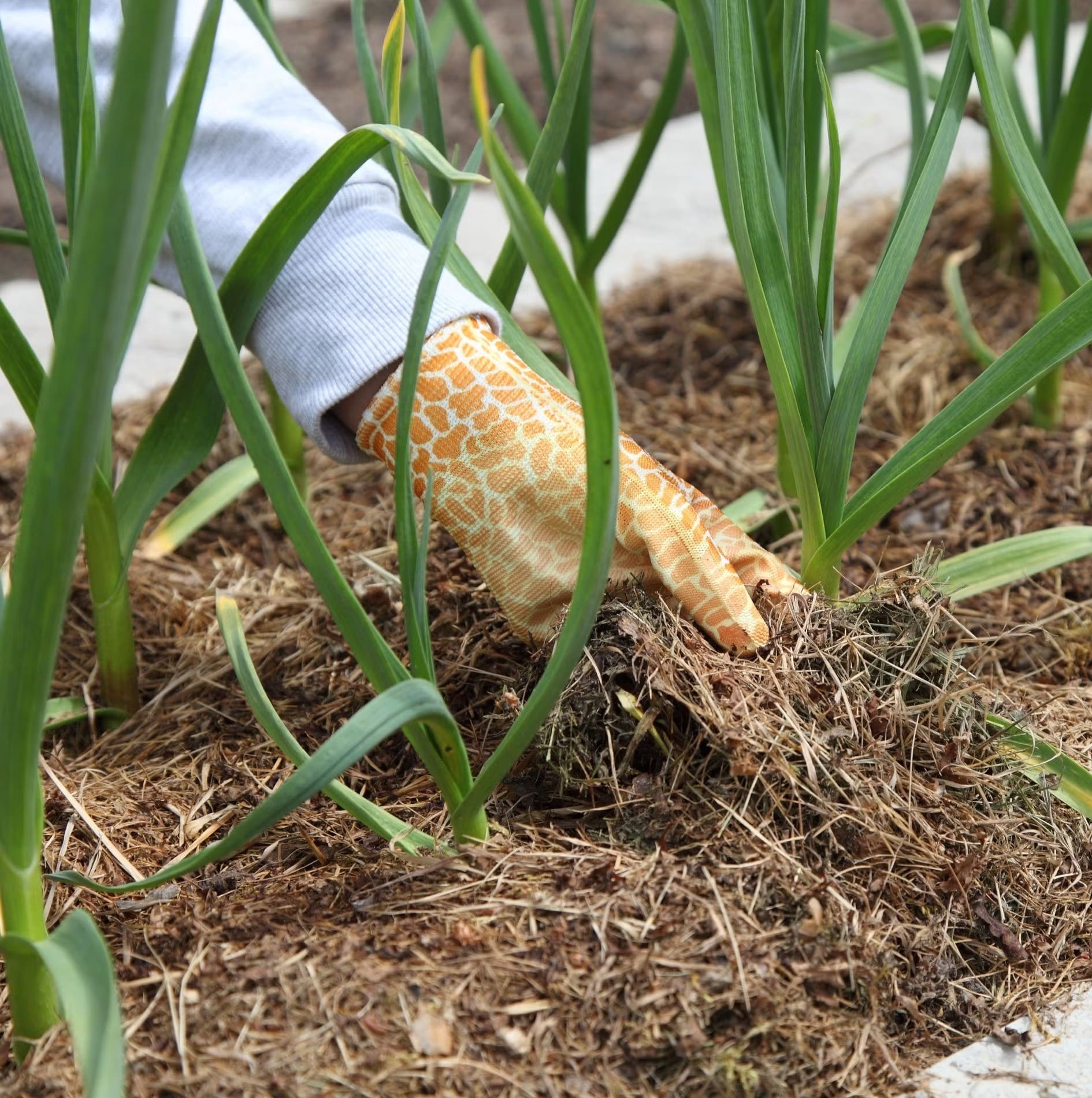
As soon as your garlic is planted, cover the bed with a thick layer of mulch, about 3-6 inches of straw, shredded leaves, or even pine needles.
This insulates the soil, prevents winter heaving during freeze-thaw cycles, and suppresses early weed growth.
In spring, once green shoots appear, gradually pull the mulch back a bit to allow sunlight in and keep moisture balanced.
Spring Care to Maximize Garlic Summer Harvest
When temperatures rise in spring, garlic wakes up fast. Keep the soil evenly moist, especially through May and June when bulbs are forming.
Also, top-dress with compost or feed with a nitrogen-rich organic fertilizer like fish emulsion once shoots are 4-6 inches tall. This boost powers foliage growth, which directly supports bulb development.
If you’re growing hardneck garlic, you’ll see curly green stalks, these are garlic scapes. Snip them off once they curl, so the plant can put its energy into bulb formation instead of flowering.
Tips: the scapes are edible and taste amazing sautéed or blended into pesto.
See more: Why Garlic Is a Superfood: 8 Proven Health Benefits You Can’t Ignore
Know When and How to Harvest Garlics
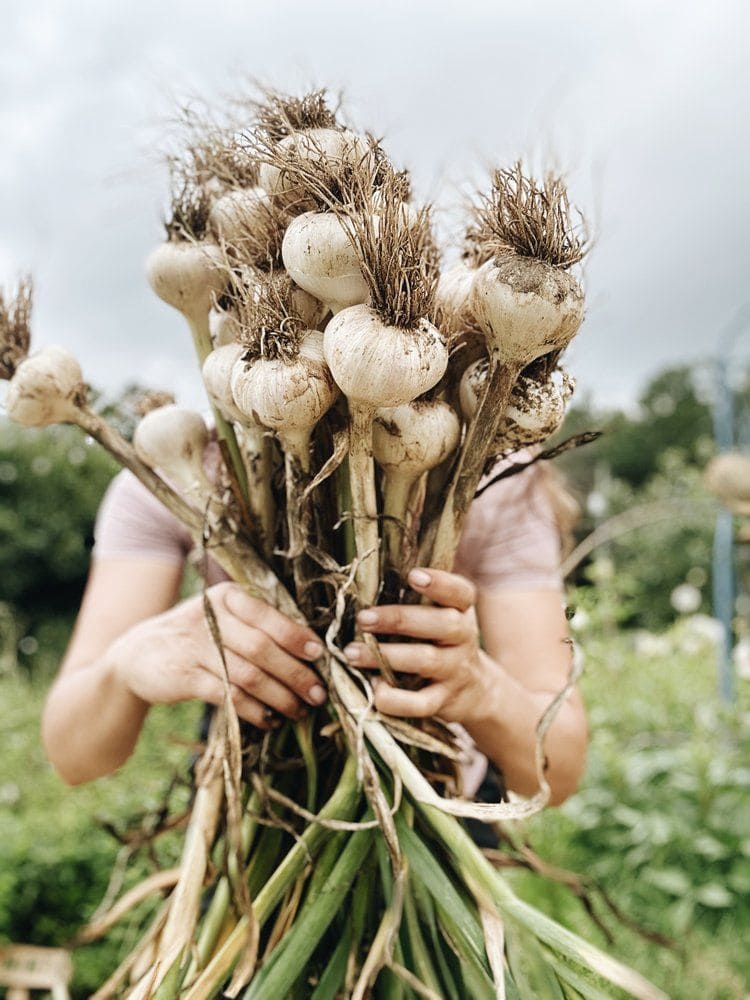
Garlic is ready to harvest when about one-third to one-half of the leaves have turned yellow and dry, typically in mid to late summer (July for fall-planted garlic).
If you wait too long, the bulbs may split, which shortens their storage life. You can use a garden fork to gently lift each bulb, don’t yank it by the stem.
Cure Garlic for Long-Term Storage
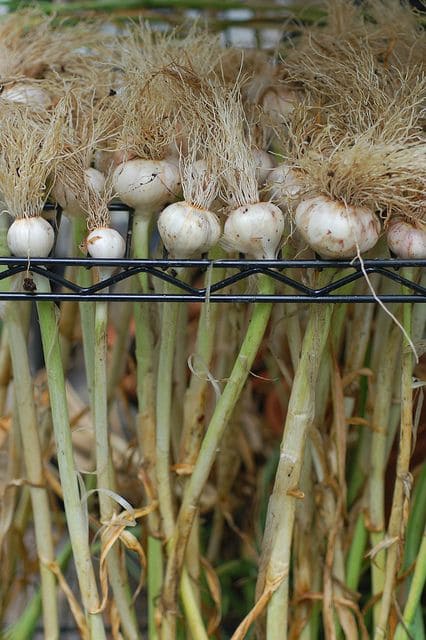
After harvest, garlic needs time to cure. Lay bulbs out in a shady, airy space for 2-4 weeks on a drying rack, screen, or even tied in small bundles and hung under a porch.
Once the outer skins are fully dry and papery, trim the roots and cut stems back to about an inch above the bulb.
You store your cured bulbs in a cool, dry, well-ventilated space. Avoid plastic bags as they trap moisture and cause rot.
Properly cured garlic can store for 6 to 10 months, depending on variety.
Watch more: DIY Garlic Insect Spray For Your Plants
Final Thoughts
Growing garlic is deeply rewarding and surprisingly simple once you know the seasonal rhythm.
Plant it right in the fall, feed it with care in spring, and by next summer, you’ll be pulling up fragrant, fat bulbs that put grocery-store garlic to shame.
And once you taste the difference in your sauces, roasts, and salad dressings, you might just devote an entire garden bed to next year’s garlic crop.
Leave a Reply