Danny was not crying. That was what frightened me most.
Danny was not crying. That was what frightened me most.

When I turned off the county road that Saturday morning, the tires of my old SUV crunched over the gravel in a way I had always loved. That sound used to mean I had made a good choice.
The property was five acres outside town, with a narrow driveway lined on both sides by orchard trees that were just starting to turn. A small three-bedroom farmhouse with white siding, a deep front porch, and a kitchen wide enough for sunlight to spill across the floor by noon. When I bought it, I imagined my daughter standing at that window with a cup of coffee in her hand, finally safe. I imagined tomato plants behind the garage. I imagined her laughing again, the real kind, the kind that doesn’t apologize for itself on the way out.
The air that morning smelled like damp leaves, cut grass, and the faint sweetness of fruit softening in the orchard. A little American flag hung by the porch post and moved gently in the breeze.
Everything outside looked peaceful.
That was what made the inside feel so wrong.
I parked beside the mailbox and sat for a moment with both hands on the steering wheel. I was seventy years old, with knees that ached whenever rain was building. I had driven out with a bag of peaches, two jars of soup, and a small envelope of grocery coupons, because that is the kind of thing mothers do when they do not want to arrive empty-handed. I had not expected to arrive at a battlefield.
The screen door tapped in the breeze when I walked up. Nobody answered when I knocked. The front door was unlocked, so I stepped inside and heard the television before I heard my daughter. Then I saw her.
Sasha stood at the kitchen sink with both hands sunk in gray dishwater. Her shoulders were folded inward, and her face was turned slightly away from the living room as though she was trying to press herself into the tile backsplash. She was crying, but not the kind of crying that asks for anything. She was crying the way women cry when they have already learned to keep working through it, tears sliding down her cheeks while she scrubbed a plate that was already clean. Her hair was in a crooked ponytail. Her sleeves were wet past the wrists. The skin beneath her eyes was dark and swollen in the way of someone who had not slept properly in days.
My daughter was forty-three years old. In that moment she looked the way she had at nine when she fell off her bike and tried not to cry because other children were watching.
Behind her, the living room was full of people.
Not one guest. Not a couple stopping by. Eight people had arranged themselves across my daughter’s house as though it belonged to them, which they appeared to have decided it did. Omar’s mother, Denise, was stretched across the couch with a throw pillow tucked behind her back like she was testing the amenities in a hotel. Omar’s sisters, Taylor and Morgan, were on the far end of the room with their feet on the coffee table and paper plates balanced in their laps. Omar’s brother Derek was somewhere near the hall with his wife, and their two children were running circuits through the house. One child had a cookie in each hand. The other had a plastic truck he was slamming repeatedly into the baseboard with the focused persistence of someone who has been told nothing is off limits.
Crumbs on the rug. A sticky handprint bright on the wall beside the hallway. No one corrected the children. No one looked at the handprint.
Taylor called toward the kitchen without looking away from the screen: “Sasha, where’s the sugar?”
Denise held up her plate. “These eggs are cold. Make me new ones.”
Morgan kicked one heel against the coffee table and laughed at something.
Sasha wiped her cheek with the back of her wrist and reached for another pan.
Rage does not always come like thunder. Sometimes it arrives very quietly, and that quietness is how you know it is real, how you know it has moved past the part of the brain that manages presentation and settled into something older and more decisive. I stood in the kitchen doorway with my tote bag in my hand and felt the room narrow around me. The television sound went thin. The smell of grease and dish soap thickened in my throat. My fingers tightened around the leather strap of my purse until I could feel the cut of it.
This was not what I bought the house for.
Let me tell you why I bought it.
Eighteen months before that morning, Sasha had left her first marriage. She had been married for eighteen years to a man who never struck her, which made some people think she should have been grateful, because they had decided that the absence of violence was the full definition of a good marriage. Those people have not watched a person get erased one small insult at a time.
Her ex-husband ignored her for days when he was angry, the kind of silence that says you are not worth addressing. He hid bills and then blamed her for not knowing about them. He called her dramatic when she cried and useless when she stopped crying. He convinced her over the course of eighteen years that she was difficult, that her needs were excessive, that she was lucky he tolerated her at all. When she finally asked for a divorce, he fought for everything he could reach: the house, the savings, the car I had bought her for her thirtieth birthday, which became part of a dispute because his name had been connected to the insurance. He fought not because he wanted those things but because making her fight for them was one last way to make her feel she had no right to anything.
When Sasha came to my apartment, she had two suitcases, a folder of papers, and a face so empty it frightened me. For weeks she apologized before taking anything from my refrigerator. She folded my towels without being asked. She jumped when my phone rang. She started every sentence with I’m sorry to be a burden, and the worst part was that she meant it, because eighteen years of being told she was a burden had made her believe it.
A person can leave a cruel house and still carry the rooms inside her.
I had spent thirty years doing bookkeeping for a small medical office. I was not wealthy. I knew how to stretch a chicken into three meals and which day the grocery store marked down meat and which bills could wait three days and which ones could not. Over those thirty years I had saved five thousand dollars, carefully, in the particular way of someone who has accepted that the margin for error is narrow and who therefore leaves no gap. I had saved it because I did not want Sasha to have to worry about me when my body slowed down. I wanted to be something other than a problem when that time came.
But watching her move through my apartment like a person who had forgotten she was allowed to take up space, I understood what the money had actually been for.
I started looking at property listings. I did not tell Sasha for several weeks, because I did not want to raise a hope and then have to explain why it had not worked. I went through the county real estate database on my laptop in the evenings after dinner, looking for something with enough land to feel like space but close enough to town that she could work and buy groceries without a long drive. I looked at forty-three properties over six weeks. Most of them were too expensive, or too close to neighbors, or in neighborhoods that had the particular feeling of places where a woman alone might not feel entirely easy. Three of them were right in most ways but wrong in one critical one.
The farmhouse was the forty-fourth.
The farmhouse cost fifty-two thousand dollars, which required draining my savings completely and taking out a small bank loan. I sat with the loan paperwork for three days before signing it, not because I doubted the decision but because I had learned over thirty years of bookkeeping that the only responsible way to make a large financial commitment is to sit with the full weight of it and make sure you still want to proceed once you’ve felt it. I still wanted to proceed.
The building was not immaculate. The porch boards needed sanding. The upstairs bathroom had a faucet that squealed. The garage door stuck in cold weather. But the property had five acres, fruit trees, and quiet, and most importantly it had the one thing my daughter had not had in years: a place where nobody had the legal or moral authority to order her out.
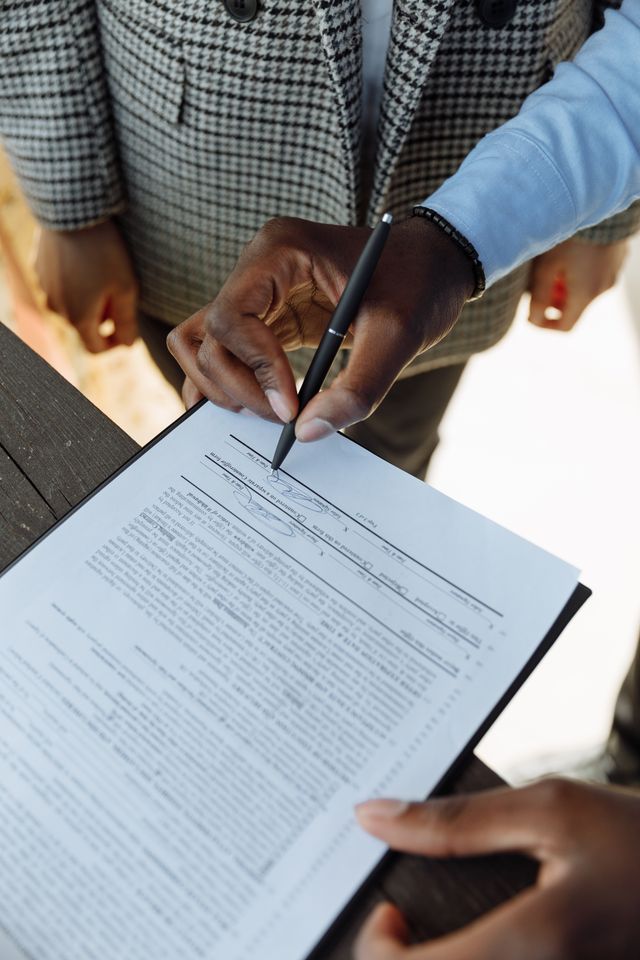
I signed the papers at 9:12 on a Tuesday morning and kept every document in a blue folder labeled in capital letters: DEED, LOAN, TAXES. The county clerk stamped the transfer with Sasha’s name only. Not mine, not any future partner’s name, not a joint anything. Only Sasha.
When I handed her the keys, she held them in both hands as though they were something fragile.
“It’s really mine?” she said.
I put my arms around her and told her yes.
She cried into my coat for a long time. My collar was damp when she finally pulled back. I did not mind at all. Those tears sounded like a beginning.
For a while, the house did what I had hoped it would do.
Sasha painted the kitchen a soft yellow. She bought tomato plants and put them in buckets behind the garage. She called me one Sunday just to tell me she had slept eight hours with the window open, and in the telling of it her voice had the particular quality of someone recovering something they had stopped expecting to have. That was the first time I heard her laugh without apologizing afterward.
Then she met Omar.
I tried to like him. I genuinely did. He was polite at the beginning, calling me ma’am and carrying grocery bags once when he knew I was watching, telling Sasha she deserved a peaceful life. He said all the things a person says when they are standing outside the door and have not yet revealed what they intend to bring in with them. Peace is an easy word to use when you are auditioning for someone’s trust. The test is what comes through with you once the trust is given.
What Omar brought in, eventually, was his family.
It began the way these things always begin: with what sounds reasonable. Denise needed somewhere to stay while her apartment was being painted, just one weekend. Then Taylor had a fight with her roommate and needed a few nights. Then Derek required a temporary place for himself and his wife and their two children, also just briefly, just until something sorted itself out. Omar told Sasha she was being selfish when she hesitated. He told her that family helped family, that she had more space than she needed, and that after everything she had been through, he would have thought she would be more compassionate.
That last sentence is worth examining, because it is a precise piece of cruelty. It took the vocabulary of her healing and turned it against her. It made her hard-won ability to hold a boundary sound like evidence that she had become cold. It used her past pain as a lever to open the door wider. And Sasha, who had spent eighteen years being told that her instincts were wrong and her discomfort was selfishness, had not yet rebuilt enough confidence in her own perceptions to push back.
So the door stayed open, and then open a little wider, and then wider still.
By the time I walked in that morning, three weeks had passed. Eight people were occupying my daughter’s home. A chore list in Denise’s handwriting was on the refrigerator, with Sasha responsible written at the bottom. There were extra shoes piled by the front door, backpacks by the stairs, a school notice with Derek’s child’s name on the breakfast bar. Someone had moved Sasha’s framed photograph of the orchard from the side table and replaced it with a stack of takeout menus. The laundry basket in the hallway overflowed with clothes that did not belong to Sasha.
I took a photograph of the chore list while nobody was looking. That is the habit of a bookkeeper: when something is wrong, document it before anyone has time to clean it up.
Denise noticed me then. Her eyes moved across my plain coat and old sneakers and tote bag with a single assessing glance, and then she called toward the kitchen, not hello, not good morning, just: Sasha, your mother is here.
The way Sasha said Mom when she turned around told me everything. There was relief in it and fear in it and shame, and the shame made me angrier than anything else I had seen that morning, because she had done nothing wrong and somehow they had made her feel caught.
I set the peaches on the counter.
Omar appeared from the back bedroom in sweatpants and a T-shirt, wearing the smooth, practiced smile of a man who has worked out how to stay unbothered. He said he hadn’t known I was stopping by, as if this were a hotel with a guest register.
I asked how long they had been there.
Sasha said three weeks before he could redirect the conversation.
Denise sat up and said that family helped family.
I looked at the sink full of dirty dishes, at the cold eggs Denise had demanded remade, at the chore list, at the children running uncorrected through rooms my daughter had once kept orderly because order made her feel safe after years of chaos.
I said that family didn’t turn one woman into staff.
Taylor scoffed. Morgan rolled her eyes. Derek’s wife appeared in the hallway and folded her arms. Omar moved toward me with his smile adjusted to the version meant to signal that we were all adults here and there was no need for anything to escalate.
He said: let’s not make this dramatic.
That sentence has always told you everything about the person using it. It only gets said when someone wants the quiet person to stay quiet, when the person called dramatic is actually the person noticing something real.
Denise stood and said Sasha didn’t mind.
Sasha’s hands were still in the sink. Water dripped from her wrists onto the floor. She did not look at Omar. She looked at me. And she said, in a voice just above a whisper: I do.
The television kept playing.
I reached into my purse and pulled out the blue folder.
Omar’s smile tightened before I opened it. Not dramatically, just slightly, in the way that a face changes when the body has understood something the brain hasn’t quite finished processing. Denise looked at the folder with the sharp attention of someone who had not anticipated paperwork.
That was their first mistake. They had mistaken kindness for weakness. They had arrived at an old woman with soup and a tote bag and decided that was the whole of her.
I laid the deed transfer on the counter. Then the loan agreement. Then the property tax receipt. Then I turned my phone around and showed the photograph of Denise’s chore list.
This house belongs to my daughter, I said.
Denise laughed, thin and dismissive, and said Sasha had invited them.
Sasha pulled her hands from the sink. Her fingers were waterlogged and wrinkled. Her voice shook, but it came out. She said she hadn’t.
The room held still.
I did not shout. I did not give anyone anything they could use afterward to make me look unstable or controlling. I took my phone, called the non-emergency sheriff’s line, and reported unwanted guests refusing to leave a property they did not own.
The dispatcher asked if anyone was in immediate danger.
I looked at my daughter.
Not anymore, I said.
Then I opened the front door.
What followed was loud. Denise shouted first, then Taylor, then Derek’s wife said it was cruel, while Derek himself argued he had nowhere to take the children. Morgan pointed her phone at me like the camera was evidence of something. Omar kept his voice low throughout, which was the most telling thing about him. He said Sasha’s name quietly, repeatedly, with the specific practiced softness of a man who has learned that quiet control is harder to argue with than noise. He said: tell her to stop.
Sasha stood for a moment. I could see the old reflex in her, the trained instinct to smooth things over, to absorb the discomfort, to apologize her way back into being liked. Old fear has muscle memory.
Then she reached for a dish towel, dried her hands, and walked to the doorway.
You need to leave, she said.
Not loud. But hers. And that made it powerful in a way that volume never could have.
Five minutes later, all eight of them were on the gravel.
A sheriff’s deputy arrived as they were loading into their cars, and during the commotion something happened that I had not anticipated.
Derek had been guarding a plastic storage bin with the self-conscious attention of someone who does not want you to notice what they are paying attention to. The deputy noticed. When he asked Derek to step back from it, Derek’s grip tightened on the lid, and Omar said his brother’s name sharply, one syllable, too quickly, and that particular combination of behavior was sufficient to make the deputy ask to see the contents.
The lid popped. A stack of mail slid across the gravel. White envelopes, a bank notice, a change-of-address form, and a folded document with Sasha’s signature reproduced at the bottom.
Sasha made a sound like all the air had been pushed out of her.
The deputy picked up the folded page and looked at it carefully. Then he asked Sasha if she had authorized it.
No, she said.
Omar’s color left him. Denise stopped talking. Even Morgan lowered her phone.
The document was a residency and mailing-address claim. Not sufficient on its own to transfer ownership of anything, but sufficient to create confusion in the paperwork. Sufficient to muddy billing records. Sufficient for someone to argue later that they had been established residents with permission. Sufficient to make a woman who was already uncertain about her own rights doubt them further.
That is how it works, often. Not a kicked-down door. A coat hung inside, mail received, food eaten, labor extracted, and then genuine offense when the person whose house it is remembers that it has a lock.
The deputy photographed the documents on the gravel. He noted the names on the mail. He asked Sasha whether she wanted the unauthorized guests removed.
She looked at Omar. I watched it happen, the old negotiation, the weighing of what she owed against what she was allowed to want. Then she looked at me. I did not nod. I did not prompt her. This had to be hers.
Yes, she said.
They left under the deputy’s observation. Denise called me controlling. She said mothers like me ruined marriages. Sasha flinched at first, and then she reached behind her and closed the screen door. The small click of the latch was the quietest sound of the morning and the most final one.
Omar tried once more from the driveway, his voice soft: Sasha, you don’t want to do this.
She looked at him through the screen. I didn’t want any of this, she said.
He had nothing for that.
Inside, after they were gone, the silence was enormous. The television was still running. A pan sat cooling on the stove. The sink was full. The chore list was still on the refrigerator. Sasha walked to it, pulled it down, and stood there looking at it. Then she tore it in half, and in half again, and again, and dropped the pieces in the trash.
She stood over the trash can with her hands shaking and her breathing uneven, and I thought she might cry. Instead she just breathed.
I started washing dishes.
She turned quickly. Mom, you don’t have to.
I know, I said.
I handed her a dish towel.
We washed them together. Not because dishes are important, but because for three weeks she had been washing everyone else’s mess alone, and that day she did not have to.
By late afternoon we had changed the locks. I called the loan officer who had handled the original purchase and asked what steps Sasha needed to take to protect her mailing address and property records. We made copies of the deed. We wrote down the deputy’s report number and the time of every event since I had arrived. We saved the photograph of the chore list and the photograph the deputy had taken of the documents on the gravel.
At 6:40 in the evening, Sasha sat at the kitchen table with her hair down and her hands wrapped around a mug of soup and finally talked through the full sequence of it. How it began with Denise and one weekend, then expanded through each sibling as their separate reasons arrived. How Omar called her selfish when she hesitated and compassionate when she complied. How the laundry list had appeared on a Tuesday, the cold eggs on Wednesday, and by Friday Omar told her she was embarrassing him by being tense around his family.
She said she had thought about calling me but was afraid I would be disappointed in her.
For what? I asked.
For letting it happen again, she said.
That broke something in me more thoroughly than anything else that day. Because the broken thing it reached was the part I had been quietly afraid of since she came to my apartment the first time, since I watched her apologize before opening my refrigerator. The fear that the damage went so deep she would always find her way back to it.
I put my hand over hers on the table. Her fingers were still rough from dishwater.
You didn’t let anything happen, I said. They pushed until something gave. Those are not the same thing.
She cried then. The loud kind, finally. The kind that asks to be heard rather than apologized for.
I stayed the night. Every sound made her sit up at first, a branch against the window, the ice maker, a car on the road. But nobody came back.
The next morning she called Omar and put him on speaker. He moved through his stages in order: first the apologies, then the blame, then the tears, and when none of those produced the outcome he was managing toward, he arrived at anger, which was the realest thing he had shown her in their entire relationship. When he finally said she owed his mother an apology, she hung up.
I refilled her coffee. Some victories are too tender for applause.
Over the following week, she made the calls herself. She contacted the post office about the unauthorized mail. She asked the deputy how to add the document issue to the formal report. She checked her credit. She went to the county clerk’s office and asked what mechanisms existed to protect the property record going forward. She was not fearless about any of it. Her hands shook on the phone more than once. But she was exact. She was careful. She was learning that paper could protect peace in situations where love had failed to.
When Omar came with the deputy present to collect his things, a duffel bag and two boxes and some tools that Sasha confirmed were his, Denise stayed in the car and did not look toward the porch. Taylor did not come. Derek sent a message later about the storage bin, and Sasha sent one sentence back: speak to the deputy about the documents. Then she blocked him.
The house changed slowly after that. She washed every blanket. She threw away the broken truck the children had left. She moved her orchard photograph back to the side table where it belonged. She took down Omar’s jacket from the hook by the door, put it in a box, and set the box outside. On Monday she painted over the scuff marks in the hallway. By Wednesday she had replanted the tomato buckets that had been knocked sideways near the garage. On Friday evening she opened the windows, and the air that came through smelled of soup and clean laundry and the particular freshness of June, with no grease in it, no dish soap, nothing that belonged to anyone else.
A week after everything, she called me from the kitchen.
I picked up braced for another crisis, the way you brace for them after a hard stretch, the way every ring sounds like the beginning of a new emergency.
Her voice was quiet. Not distressed quiet. The other kind.
Mom, she said, I slept until eight.
I sat down on the edge of my bed.
That’s good, I said. My voice came out rougher than I intended.
She laughed once. Not a big laugh, not healed, not the kind you perform to reassure someone watching. Just real.
After all of it, the thing that stayed with me was not Denise’s face when the cruiser pulled up, or the way Omar’s color left him when the documents slid across the gravel, or even the three words I said at the gate before I closed it.
It was Sasha at her own sink, tearing that list into pieces.
Because that was the moment the house became hers again. Not because of the deed, not because of the county stamp, not because I had spent my savings and taken out a loan and driven out with peaches and soup and a blue folder. Those things mattered. But a home is not truly yours until your own voice is allowed to live in it.
For three weeks, eight people had occupied my daughter’s house and occupied her sense of her own rights along with it. They had used the vocabulary of family and compassion to make her doubt what she was allowed to want. That is not an unusual tactic. It works on people who have been trained out of trusting their own perceptions.
But one locked gate and one blue folder and one word she said to a deputy on her own porch without anyone prompting her had started her back.
She did not owe them the house.
She did not owe any man the right to turn her safety into his family’s convenience.
The orchard is coming along now. The tomatoes behind the garage produced their first real batch in August. Sasha keeps the blue folder in the top drawer of the kitchen desk, the one where the mail goes and the keys go and the ordinary documents of a daily life that is hers.
Every now and then, when I visit, I see her glance toward that drawer before she smiles.
Not because she is afraid.
Because she remembers.
And the remembering keeps it hers.
I had not told anyone I was coming home.
Not my mother. Not my sister. Not even Maya.
For five years, my life had been measured in concrete dust, steel beams, wire transfers, and video calls that ended too soon. I worked construction outside Riyadh, where the sun came down like judgment and the nights were so quiet a man could hear every mistake he had ever made. I told myself I was doing it for my family. That line got me out of bed when my back hurt so badly I had to sit on the edge of my bunk and breathe before I could stand. I repeated it when my hands cracked from heat and work, when another holiday passed and I watched my son blow out birthday candles through a phone screen.
I was doing it for Maya. For Ethan. So they would never have to stand in a grocery store choosing between milk and medicine. So my wife would never worry about rent again. So my son could grow up in a house with a yard, good schools, and a father who had given him more than empty promises.
The house was outside Houston, in a quiet neighborhood with wide driveways, polished lawns, and black iron gates. I bought it three years into my contract, piece by piece, payment by payment, while I slept in a narrow room half a world away. My mother had helped handle everything. At least, that was what I believed.
When I left, Maya had been overwhelmed. Ethan was only two, and I was terrified of leaving her alone with bills, repairs, and contractors who never showed up when they said they would. My mother stepped in the way she always did, with a firm voice and a purse full of labeled envelopes.
“James,” she told me, “you go do what you need to do. I’ll keep the house running. I can handle paperwork.”
People at church trusted my mother. She chaired committees, organized meal trains, remembered who was allergic to pecans. If a woman like that told you she could take care of things, you believed her.
So I signed what she told me to sign. A limited power of attorney. Access to a checking account. Permission to pay contractors, utilities, property taxes, groceries, school fees, and anything Maya and Ethan needed. Every month I sent eight thousand dollars. Sometimes more. When Ethan needed speech therapy, I sent extra. When Maya’s car supposedly broke down, I sent extra. When my mother said the air conditioner failed in August, I sent extra without asking questions.
My mother always had a reason Maya could not come to the phone. Maya was at the grocery store. Maya was tired. Maya was emotional. You know how young wives are, James.
I told myself the small uneasiness in my chest was only homesickness. A man can explain away almost anything when he is tired enough.
At first, Maya called me every few days. Then once a week. Then only when my mother said she was available. Sometimes she sounded like she had been crying, but when I asked, she smiled too quickly and said the connection was bad. Ethan grew taller through a screen. His baby cheeks thinned out. His voice changed from toddler babble to careful little sentences. He called me Dad because Maya taught him to, not because I had earned it by being there.
That shame lived under my ribs. So I worked harder. Took overtime. Skipped meals when the job ran late. Slept through celebrations. Carried one photograph in my wallet until the edges went soft: Maya holding Ethan on our old apartment balcony, both of them laughing at something I could no longer remember. That was the family I was going home to.
My contract ended early on a Tuesday. No warning, no farewell. The company lost part of the project, paid us out, and sent us home in batches. Men around me cursed or cheered depending on what waited for them on the other side of the flight.
I stood in the airport in Riyadh with my duffel bag, work boots still dusty, and thought about calling Maya. Then I decided not to. For once, I wanted to surprise them.
At the airport shops, I bought a box of chocolates in a gold tin because Maya had once told me she missed the small luxuries of being remembered. I bought her a bracelet too, delicate gold links with a tiny blue stone at the clasp. It was not the most expensive thing in the store, but it looked like her. Quiet. Beautiful. Stronger than it seemed. For Ethan, I bought toys until the cashier laughed. A remote-control truck. Building blocks. A soccer ball. A little toy airplane, because I wanted to tell him that airplanes could also bring fathers home.
On the flight, I could not sleep.
Three nights before departure, sitting on my bunk with a plastic cup of coffee and a stack of old emails, I had noticed something that did not belong. A bank notification buried in a thread. A transfer from the family account to a business name I did not recognize.
Claire Elaine Interiors.
My sister did not own an interior design company. She had once painted her dining room and called herself creative, but that was the extent of it.
I logged into the account for the first time in years. It took three tries to remember the security questions. My mother had changed some contact settings, but she had not removed my name. Maybe she thought I was too tired to look. Maybe she thought a son raised to obey his mother would never question her.
The statements loaded slowly. At first I thought there had been a mistake. Then I kept scrolling.
Large withdrawals. Checks made out to Claire. Payments to luxury boutiques. Country club charges. Catering deposits. A lease payment on a Mercedes. Transfers to a savings account in my mother’s name. And mixed among all of it, tiny grocery charges. Eleven dollars. Seventeen dollars. Four dollars and eighty-two cents. A pharmacy receipt once every few months. No pediatric dental bills. No school clothing purchases. No car repair matching the amount she had asked me for. No air conditioning company. No speech therapy center.
By the time my plane crossed the Atlantic, I knew enough to be afraid.
The rideshare driver dropped me at the curb just before seven in the evening. The sky was turning a soft purple, the kind Houston gets when the heat finally loosens its grip. My house stood at the end of the cul-de-sac behind its iron gate, every downstairs light blazing. Music pulsed through the windows. Cars lined the driveway and curved along the street. Women in dresses laughed under the porch lights. Men in pressed shirts stood near the pool fence like they owned the place.
For a moment I thought I had the wrong house.
Then I saw Claire through the front window, lifting a champagne flute, her mouth open in that sharp laugh she used when she wanted everyone to know she was having a better time than they were. Beside her stood my mother. Helen wore a cream-colored dress with pearls at her ears, and around her neck was a necklace I recognized immediately. Small gold leaves. Blue sapphire center. I had sent that necklace to Maya on our anniversary two years earlier.
My mother was wearing it in my house while music shook the glass.
Something in me went very still.
I paid the driver, thanked him, and stood on the sidewalk until his taillights disappeared. Then I carried my bags toward the side path. The gate code still worked. The side yard smelled like cut grass, chlorine, and catered food. Through the dining room windows I could see silver trays, white roses, eucalyptus. The backyard was quieter, darker. The pool lights shimmered blue, but near the service entrance the porch bulb flickered weakly. Nobody had decorated that side of the house. Nobody had swept the leaves from the back steps.
That was where I heard my son’s voice.
“Mom, I’m hungry.”
I stopped so suddenly the strap of my bag slid off my shoulder.
A beat passed. Then Maya answered.
“Shh, baby. Don’t let Grandma hear. Eat this. I washed it. It won’t taste so bad.”
I moved toward the sound.
Behind the house, near the service walk where the trash cans sat, my wife was sitting on an old wooden crate. Her hair was tied back with a rubber band. She wore a faded shirt I had not seen in years and jeans loose at the waist. One arm was wrapped around Ethan’s shoulders as if she was trying to fold him into herself and hide him from the world. My son sat beside her with a plastic food container in his lap, holding it with both hands like someone had taught him not to spill a single bite. He was seven now. But he looked smaller than he should have.
Inside the house, people laughed.
Outside, my wife and child ate beside the trash cans.
Maya looked up first. The porch light caught her face. I had spent five years missing that face, and still I almost did not recognize it. It was the fear more than anything else.
Maya saw me and did not run into my arms. She froze. Her mouth parted. Her hand tightened on Ethan’s shoulder. For one sharp second, she looked like a woman caught doing something wrong. That hurt worse than any heat, any injury, any lonely night overseas.
Then disbelief came over her.
“James?” she whispered.
Ethan turned and stared at me the way children stare when they are trying to match a real face to a face they have only ever seen inside a phone.
“Dad?” he said. Small. Careful. Almost a question.
I dropped to my knees in front of him. The concrete bit through my pants, but I barely felt it. I touched his cheek. His skin was cool. Too cool for a Texas evening.
“Hey, little man,” I said, and my voice broke on the second word.
Ethan looked at Maya first, asking permission with his eyes. That nearly finished me. Then he leaned forward and I pulled him into my arms and felt bones where there should have been softness. He smelled like soap, old laundry, and something sour from the container. I held him tightly, then forced myself to ease up, because he was so still.
Maya covered her mouth with both hands.
“I didn’t know you were coming,” she said.
“I wanted to surprise you.”
Her laugh came out like a sob.
Behind us the patio door opened and music spilled into the dark. Claire’s voice carried across the yard.
“Where did that child go?”
Not Ethan. Not my nephew. That child.
A woman answered from inside: “Helen said he gets into things.”
Claire sighed. “Maya needs to watch him. This is not a daycare.”
Maya flinched. Ethan pressed closer to me.
Something inside me changed shape.
I had thought anger would be hot. I had thought it would come roaring, all fists and shouting. But what rose in me was quiet. It settled low and heavy, like a door closing forever.
Maya reached for my wrist.
“Please,” she whispered. “Don’t go in angry.”
I looked at her. My wife, sitting outside her own home like a servant waiting for permission to breathe.
“What did she do to you?” I asked.
Maya’s eyes filled.
“She said you knew,” she said. “She said you didn’t want me handling money. That you told her I was irresponsible. She said the house was in her care, and if I made trouble, she would tell you I was unstable. She said no judge would leave Ethan with a mother who couldn’t provide.”
I could not speak.
Maya looked ashamed, which was the cruelest part.
“She took my phone at first because she said I was upsetting you. Then she gave it back but checked it. She said if I told you anything, she would stop paying Ethan’s school fees. She told the neighbors I had anxiety. She told church people I was difficult. When I tried to leave, she said the car wasn’t mine, the house wasn’t mine, and I had no money.”
“She hit you?”
“No,” Maya said, too quickly. “Not like that.”
That was the sentence people used when the wounds did not bruise.
Ethan looked up at me. “Grandma says we don’t waste food. If people don’t finish it inside, Mom can wash it.”
I closed my eyes.
For five years I had poured my body into the ground overseas while my son learned to eat leftovers washed in a sink.
I reached into my travel bag and pulled out the folder I had assembled before boarding. Bank statements. Wire receipts. Account printouts. The limited power of attorney. The revocation Renee Caldwell, a Houston real estate attorney, had filed that afternoon.
“Maya,” I said. “Listen to me. You did nothing wrong.”
She shook her head.
“You did nothing wrong,” I repeated.
Her face crumpled.
I stood and helped Ethan up. His hand slid into mine, tiny and cold.
The patio door opened again before we reached it. Claire stepped out holding a champagne flute, silver dress, earrings I recognized from a department store ad my mother had once sent me by mistake. Her eyes landed on Maya first, sharpening.
“There you are,” she said. “Mom’s been looking for”
Then she saw me.
The glass slipped in her hand but did not fall.
For one second, Claire looked like a child caught stealing from the pantry. Then she smiled.
“James! Oh my God, you’re home!”
She came toward me with her arms open.
I did not move.
Her arms slowed, then dropped.
I walked past her into the house.
The party did not stop all at once. In real life, conversations die unevenly. One person notices, then another. A laugh cuts off. Someone turns down a song without knowing why. Glasses hover in midair. People look from face to face, trying to decide what they are allowed to understand.
My mother saw me last. She turned from the kitchen island with that queenly smile still in place. Then her eyes met mine. For half a second, her entire expression emptied. No joy. No surprise. No relief that her son had returned safely after five years overseas. Just calculation. Then she recovered.
“My baby,” she cried, both arms lifting.
I stepped back. The silence spread.
She stopped in the middle of the kitchen. The smile stayed, but the skin around it tightened.
I set the folder on the island. The sound was small. Everyone heard it.
“Turn off the music,” I said.
No one moved.
I looked at Claire.
She hesitated, then walked to the speaker and pressed a button. The music stopped mid-song.
My mother folded her hands.
“James,” she said, using the voice she had used when I was a boy and had embarrassed her in public, “you are exhausted. You’ve traveled halfway around the world. Go upstairs. Shower. Rest. We can talk as a family after our guests leave.”
“This is my house.”
Her nostrils flared. “Of course it is.”
“My wife’s house.”
A pause. “Of course.”
“My son’s home.”
No answer.
I turned to Ethan.
“Buddy, when did you last eat a full meal at this table?”
His fingers tightened around mine. He looked at the long dining table, then at my mother.
“Christmas,” he said.
A woman near the sink put a hand to her mouth.
My mother laughed once, sharp and false. “Children say things. They eat in the kitchen all the time.”
Maya’s voice came quietly from beside me.
“No, we don’t. We eat after. Or outside. Or upstairs if there are guests.”
My mother’s smile thinned. “Maya, you are overwhelmed. Don’t do this in front of people who care about this family.”
I opened the folder and spread several pages across the island. Wire transfer confirmations. Account statements. A stack thick enough to shame a room.
“These are the transfers I sent every month,” I said.
“A family matter,” she said.
“A theft matter.”
Claire’s champagne glass trembled.
I pulled out the account statements. “Payments to Claire Elaine Interiors. Twenty-two thousand dollars in one year. Fifteen thousand the next. Twelve after that. No website. No tax listing I could find. Just a bank account.” I continued down the page. “Houston Oaks membership. Mercedes lease. Boutique charges. A renovation invoice for Claire’s townhouse. Two trips to Santa Fe. One cruise deposit.”
My mother’s voice dropped. “You don’t understand how expensive it is to maintain a household like this.”
I looked at the silver trays lined across my counters. The wine. The flowers Maya loved but had been told were too expensive to die so quickly.
“Was my son expensive?”
Her eyes hardened. “Do not weaponize that child against me.”
That child again.
I saw Ethan’s face close.
“His name is Ethan,” I said, loud enough for every person in the kitchen to hear. “And you will never call him that again.”
Her cheeks flushed. For the first time all night the mask cracked.
“You come back after five years and think you get to judge me? I was here. I kept this house respectable. I kept your name clean. I kept your wife from embarrassing you in front of everyone.”
Maya drew a sharp breath.
I turned to her. “What did she tell you about the money?”
Maya’s eyes moved over the papers. “She said you sent enough for bills and the rest was being saved. She gave me cash for groceries if I asked right. Sometimes twenty dollars. Sometimes nothing if she decided I had been ungrateful.”
Guests had begun edging toward the door. Some wanted to leave. Others could not look away.
My mother pointed at Maya. “She is lying.”
Ethan spoke before I could.
“No, she’s not.”
The room froze. His voice was small but clear.
“Grandma says Mom lies when she cries,” he said.
Maya closed her eyes.
My mother looked at him like he had betrayed her.
I had seen enough. I pulled one document from the back of the folder. “This is the revocation of the power of attorney. Effective immediately. My attorney filed notice this afternoon.”
My mother blinked. “What attorney?”
“Renee Caldwell.”
Recognition passed across several faces. In Houston, that name carried weight.
“I also spoke with the bank,” I said. “The account is frozen pending review. Every transfer over five hundred dollars is being audited.”
Claire stepped forward. “You can’t do that to Mom.”
“I already did.”
“She’s your mother.”
“And Maya is my wife.”
My mother’s face changed at that. Not grief. Anger. As if I had named the wrong loyalty.
“She turned you against me,” she whispered.
“No,” I said. “You did.”
The doorbell rang.
A moment later, Renee Caldwell walked through the front door wearing a navy suit, silver hair cut neatly at her jaw. Behind her stood a uniformed Harris County deputy. My mother put one hand on the island.
Renee looked around the kitchen once. She took in the guests, the food, Maya’s face, Ethan’s worn shoes, the necklace at my mother’s throat. Then she set her briefcase on the island.
“Mrs. Whitaker,” she said to my mother, “you were served electronically this afternoon at the email address listed on the power of attorney. You are not on the deed. You are not a tenant. Your authority to act on Mr. Whitaker’s behalf has been revoked. You are being asked to leave the property tonight.”
Claire let out a stunned laugh. “Leave? Mom lives here.”
“No,” I said. “Maya lives here. Ethan lives here. My mother stayed here because I trusted her.”
A woman from my mother’s church, Mrs. Landry, stood slowly from her chair. “Helen,” she said, her voice unsteady, “is this true?”
My mother turned on her. “Don’t be foolish.”
That was the mistake. Helen could survive accusations. She could survive paperwork. She could even survive me coming home early. But she could not survive speaking that way to a woman whose pot roast recipe she had praised for fifteen years.
Mrs. Landry’s face hardened. She did not ask again.
People began leaving then. No stampede, just purses gathered, chairs pushed in, whispered apologies offered to nobody in particular. The women who had come to praise Helen’s generosity slipped past Maya without meeting her eyes.
My mother reached up and touched the necklace at her throat.
I held out my hand. “Take it off.”
She stared at me. “I am your mother.”
“And you wore my wife’s anniversary gift while my wife sat outside feeding my son scraps from a plastic container. Take it off.”
Her hands shook as she unclasped it. For one bitter second I remembered being eight years old and watching those same hands tie my shoes before school. I remembered her singing in the kitchen. I remembered her holding my face after my father died and telling me I was the man of the family now.
That was the cruelty of it. Bad people do not always arrive as monsters. Sometimes they are the people who packed your lunch, paid for your braces, and knew which hymn made you cry. And then one day you find out they have been using your love as a key.
My mother placed the necklace on the island. I picked it up and turned to Maya. Her eyes filled before I even reached her.
“I’m sorry,” I said. “For not seeing. For not asking better questions. For leaving you alone with someone I thought was safe.”
Maya closed her hand around the necklace but did not put it on. Some gifts need to be cleaned of the hands that stole them.
My mother left without ceremony, the deputy a patient presence behind her and Claire. At the door she paused.
“You’ll regret this,” she said.
I looked at Ethan. “No,” I said. “I already did my regretting.”
The door closed.
The house went quiet in a way that felt almost physical. The caterers stood uncertainly near the silver warmers. I thanked them and told them to leave the food.
I turned to Maya. She was staring at the dining table like it belonged to someone else.
“Are you hungry?” I asked.
She looked embarrassed. That broke something in me all over again.
“Maya,” I said quietly. “Are you hungry?”
She nodded once.
I looked at Ethan. “How about you?”
His eyes moved to my mother’s empty chair. “Can I eat inside?”
I crouched in front of him. “You can eat anywhere in this house. At this table. On the couch. On the floor watching cartoons. You are not a guest here. You are not in the way. This is your home.”
Children do not unlearn fear because of one speech. But sometimes a speech is where the unlearning begins.
I lifted Ethan into a chair at the dining table. He sat stiffly at first, as if waiting to be corrected. Maya sat beside him only after I pulled out her chair. She looked at the silverware, the folded napkin, the candles, the flowers, and then covered her face with one hand.
I set the chocolates beside her plate. “I brought you these,” I said, which was stupidly small, because sometimes love returns with gifts too little for the damage it is trying to undo.
Maya laughed and cried at the same time. “You remembered.”
“I remembered everything. Just not enough of what mattered.”
She reached for my hand. For the first time since I had arrived, she touched me without fear.
Later that night, after Ethan had fallen asleep on the couch with the toy airplane tucked under his arm, Maya told me everything. Not in order. Pain never tells itself in order.
She told me how, six months after I left, my mother had started criticizing grocery receipts. Then clothes. Then how often Maya called me. Helen said video calls made me homesick and distracted, and if Maya loved me, she would stop burdening me. Claire moved in temporarily after a breakup and never really left. When Maya complained, Helen said Claire was family and Maya was being selfish.
My mother fired the housekeeper I thought we still had, then expected Maya to clean before church friends came over. She hosted luncheons, Bible studies, charity meetings, birthday parties, and gatherings that required Maya to cook, serve, wash dishes, and disappear before dessert.
“She said people judged you by me,” Maya whispered. “She said if I looked tired, they would think you had failed.”
She told me my mother had sold her car and told me it needed too many repairs. She told me Ethan had been pulled from the private school I thought he was attending because Helen called it too expensive, then dressed him in his old uniform for video calls so the lie would hold.
I sat very still.
“She said no judge would leave Ethan with a mother who couldn’t provide,” Maya said again, like the words still lived in her throat. “I started to believe maybe she was right. You were gone so long. And every time I thought about telling you, I heard her voice saying you would think I failed.”
“You survived,” I said. “That is not failure.”
Maya cried quietly. Without covering her face. Like she was too tired to hide it anymore. I held her while she shook. I wanted to promise I could fix everything by morning, but that would have been another lie. Some damage has to be repaired in layers. Bank by bank. Meal by meal. Night by night.
So I promised the only thing I could.
“She will never control you again.”
The next morning I woke on the living room floor with Ethan asleep beside me. He had rolled off the couch at some point and curled near my shoulder, the toy airplane still in his hand. I heard Maya in the kitchen and sat up too quickly, heart lurching. Then I smelled pancakes.
She turned when she heard me. Her hair was down. She wore one of my old shirts from the laundry room. The tightness around her mouth had softened.
“I wanted to make breakfast,” she said. “For us.”
Ethan woke to the smell and sat up rubbing his eyes. “Pancakes?”
“With chocolate chips.”
He looked at me. “Is that okay?”
“Yes,” I said, keeping my voice steady. “That is very okay.”
He ate three. Maya ate two. I spent most of breakfast watching them breathe.
Renee returned at nine with a locksmith, a bank representative on speakerphone, and a calm list of steps. Locks changed. Gate code changed. Security system reset. Credit reports pulled. New accounts opened. Old cards canceled. School records requested. Medical appointments scheduled. The bank review took weeks. People who love dramatic endings do not like paperwork, but paperwork is where power lives. Receipts. Dates. Transfers. Documents that do not cry, flatter, or forget. Renee traced everything. My mother had not just spent money. She had built a whole life out of it, paid Claire’s debts, renovated her townhouse, funded church events under her own name, made donations that got her thanked from pulpits. She used my money to become generous in public while being cruel in private.
The worst discovery came from a storage closet behind the laundry room. Maya found the boxes while looking for old towels. Inside were things I had sent over the years. Dresses for Maya. Shoes for Ethan. Birthday cards. Toys. A winter coat with a dinosaur hood that Ethan had once mentioned wanting. All of it unopened. Stacked. Hidden. My mother had received them, thanked me, sometimes even sent photographs of Ethan supposedly loving them, then locked them away.
Maya sat on the laundry room floor surrounded by stolen birthdays and cried so hard she could not breathe. I sat beside her and opened every box.
Ethan found the dinosaur coat. It was too small now. He held it against his chest anyway.
“Was this mine?” he asked.
“Yes.”
“Can I keep it?”
I swallowed the knot in my throat. “Of course.”
Two weeks after I came home, we took Ethan to a real school. Maya and I walked him in together. At the classroom door he held my hand so tightly my fingers ached.
“What if I do it wrong?” he asked.
“You won’t.”
“But what if I do?”
“Then we’ll help you.”
He looked at Maya. “Both of you?”
She crouched in front of him. “Both of us.”
Something shifted in his face. Not a full smile. Just the beginning of believing something.
After drop-off we sat in the car and did not drive away. Maya watched the school doors.
“I used to dream about this,” she said. “Coming home without being afraid of what mood your mother was in.”
“We’re going to have a lot of ordinary days,” I said.
She smiled. “That sounds nice.”
Ordinary became our work. We bought groceries together, not with cash Helen handed out like charity but with a debit card in Maya’s own name. We took Ethan to the dentist. Two cavities, one infection. Maya touched my arm when she saw my face in the waiting room.
“Don’t disappear into guilt,” she said.
So I stayed. I learned Ethan’s teacher’s name. His favorite cereal. The way he liked the hallway light left on but pretended he didn’t. I put the bracelet in Maya’s drawer and told her it could wait.
My mother called dozens of times. I did not answer and forwarded every text to Renee.
The lawsuit became local gossip. My mother could not resist telling her version, and it grew each time. The problem with lies is that they require cooperation from reality. Reality had bank statements, school records, photographs online of my mother wearing my wife’s necklace at a charity event. By December the church removed Helen from two committees pending review. That word did more damage than any insult I could have thrown. Not condemnation. Not scandal. Just the possibility that she might not control the story.
We reached a settlement in January. My mother agreed to repay a substantial portion through the sale of her condo. Claire agreed to repay what could be traced to her, which meant selling the townhouse she had bragged about. A confidentiality clause was proposed.
I refused.
Maya asked afterward why I refused.
“Because silence is how she kept doing it,” I said. She looked out the window for a long time. Then she nodded.
Spring came slowly that year. The neighborhood continued being a neighborhood, because that is what neighborhoods do. Scandal fades. Grass grows. HOA emails resume. Someone complains about a basketball hoop.
But inside our house, life changed in ways both small and enormous.
Maya chose new curtains. Not expensive ones. Just hers. She cut her hair to her shoulders because Helen had always told her long hair looked more appropriate. She opened a small baking business from our kitchen after neighbors, perhaps trying to repent, began ordering cakes and cookies. By summer she had a waiting list for birthday cakes and lemon bars people called better than bakery ones.
The first time Maya received payment through her own business account, she stared at the notification on her phone. Then she smiled. Not big. But real.
Ethan gained weight. His cheeks filled out. He still hid snacks in odd places for a while, granola bars under his pillow, crackers in a shoebox, apple slices wrapped in napkins in his backpack. We did not scold him. We put a snack basket on the counter and told him it was always available. For weeks he checked it every morning. One day he stopped checking. That was the day Maya cried in the pantry where he could not see.
I sold the house eventually. Maya chose what to keep and on closing day stood with me in the empty living room.
“You okay?” she asked.
“I thought this house meant I had made it.”
She took my hand. “You came home. That matters more.”
We bought a smaller place forty minutes away. A brick ranch with a big oak tree, a kitchen that needed updating, and a backyard where Ethan could kick a soccer ball into the fence without anyone worrying about appearances. The neighbors asked normal questions. No one knew Helen.
That was a gift.
The first Saturday in the new house we painted Ethan’s room blue. He got more paint on himself than the wall. Maya laughed so hard she had to sit down. I stood holding a roller, watching blue fingerprints appear on the old hardwood floor, and for once I did not think about money.
That evening we ate pizza on paper plates in the living room because the dining table had not arrived. Ethan looked around.
“This house is smaller,” he said.
“It is,” I said.
He nodded thoughtfully. “Good.”
Maya smiled. “Good?”
He leaned against her shoulder. “I can find you faster.”
That became the sentence I carried.
Not the bank statements. Not the lawsuit. Not my mother’s threats.
I can find you faster.
One evening near the start of summer, traffic pushed us past the old neighborhood on the way home from Ethan’s soccer game. The mansion appeared at the end of the cul-de-sac, iron gate shining in the afternoon sun. New flowers by the porch. A child’s bike on the lawn. Wind chimes near the back patio.
Ethan looked out the window. “Is that the old house?”
“Yes.”
“Do you miss it?”
I looked at Maya. She was watching the house, but her face was calm.
“No,” I said. “Not anymore.”
Ethan nodded. “Me neither.”
We drove on.
That night, after dinner, Ethan brought me the toy airplane from Riyadh. The tape on the wing had yellowed. One wheel was missing.
“Can we fix it again?” he asked.
We sat at the kitchen table with glue and a tiny screwdriver from the junk drawer. Maya rolled dough nearby. The radio played low. Outside, cicadas buzzed in the dark.
Ethan watched me tighten the little screw.
“Dad?”
“Yeah?”
“When you were on the airplane coming home, did you know?”
“Know what?”
“That you were going to find us.”
My throat tightened. “No,” I said. “I didn’t know.”
He thought about that. “But you did.”
“I did.”
He leaned closer, satisfied with the repair.
“Good,” he said.
Then he picked up the airplane and flew it across the kitchen, making engine sounds, while Maya laughed and told him not to crash into the pie.
I sat there with my hands still smelling faintly of glue and understood something I wish I had known years earlier.
Providing is not the same as protecting. Trust is not a substitute for attention. And sometimes the person standing closest to your front door is the one you should have questioned first.
I still work construction, but in Texas now. Smaller jobs. Honest hours. I come home dirty most evenings and Ethan meets me at the door. Maya’s baking business has taken over half the kitchen, and I complain about powdered sugar on the counters only when I want her to throw a towel at me.
On Sundays we eat breakfast late. Sometimes pancakes, sometimes cereal straight from the box, because ordinary families are allowed to be lazy.
Every now and then Ethan asks if there is food left whether we should save it. We always answer the same way: only if you want to. The first time he scraped leftovers into the trash without checking our faces first, Maya looked at me across the kitchen and we both understood.
Not waste.
Safety.

I still had the pen in my hand when Robert announced it. The newly signed divorce decree lay on the table between us, and my six-year-old son Ethan clung to my skirt while his father rubbed the belly of his pregnant girlfriend like she was carrying the first human child ever conceived.
“Now I’m finally going to have an heir,” Robert said, loud enough for the entire courthouse hallway to hear. “A real son.”
His mother, Rebecca, smiled with the particular contempt she had perfected over our twelve years of marriage. She was the kind of woman who smiled like she was granting permission to breathe. “God finally listened to this family,” she said. “A boy who carries my son’s blood.”
I looked down at Ethan. He was holding his dinosaur backpack with both hands, looking at the adults around him with the careful neutrality that children develop when they learn that love is conditional. The same boy Robert had denied since birth because, according to him, Ethan looked too much like me. The same boy his grandmother had called a disappointment in ultrasound photos, as if a child’s gender could be determined by maternal worth. The same boy who was apparently not real enough, not male enough, not blood-correct enough for the Turner family’s carefully curated legacy.
I still had the pen in my hand. I could have thrown it. I could have screamed. I could have done a thousand things that would have made me feel better for approximately ten seconds. Instead, I did nothing.
I had already said too much during twelve years of marriage. I had already fought when Robert hid his paychecks and told me we were in debt. I had fought when he came home smelling like someone else’s perfume and explained it away with stories about coworkers and conference hotels. I had already fought when his mother said I did not know how to give him good children, as if reproduction was a skill that could be improved with effort and the right technique, as if my body was a failed experiment in genetic quality control. I had already fought when Fiona started sending her ultrasound pictures to the family group chat like they were accomplishments worth celebrating, like she had discovered something miraculous that I had somehow failed to produce.
I had fought so much that fighting had become the only language I spoke fluently. And I was exhausted.
I simply grabbed Ethan’s backpack, took his hand, and walked out of the courthouse without looking back.
“Aren’t you going to fight?” Robert yelled after me, his voice echoing down the hallway, but I was done fighting. Fighting requires believing that the other person might eventually see you. Fighting requires hope that things can change if you just persist long enough, love hard enough, endure enough. I had stopped believing that years ago.
At half past eleven, while I was buying Ethan a sandwich in a small cafe near our apartment, an unknown number called my phone. The voice on the other end was professional and careful, the tone nurses use when they are about to deliver information that changes things.
“Mrs. Megan Turner?”
“Yes,” I said, though I was already not that anymore. The divorce papers were still warm in my bag, and I had already started using my maiden name in my head.
“We’re calling from Mercy General Hospital. The patient Fiona Rivers is in labor. We need you to come immediately.”
I held the phone away from my ear and looked at it like it might clarify why a hospital would call an ex-wife about her ex-husband’s pregnant girlfriend. “I think you have the wrong person,” I said.
The nurse’s voice dropped, became gentler, which made everything worse. Gentleness from strangers usually precedes catastrophe. “No. Your name is listed in the file as the emergency contact. There is a medical note that you must hear before the baby is born. It is important that you understand this before delivery.”
I did not know then why I agreed to come. I did not know then that the universe was about to hand me something I had not asked for and did not think I needed. I only knew that the nurse’s voice carried weight, and weight usually meant something had broken. I was tired of things breaking, but I went anyway.
Ethan held my hand in the car. He did not ask questions. He had learned by six years old that asking questions sometimes made things worse, that the adults around him operated on logic he did not yet need to understand.
“Are we going to see Dad?” he asked quietly.
“Maybe,” I said, which was a way of saying yes while leaving room for the universe to correct my assumptions.
The drive to Mercy General took twenty minutes through afternoon traffic. I found myself explaining things to Ethan that I was not sure I understood myself. “There is a baby coming,” I said. “And the hospital called because they needed help from someone who knows about the family.” I did not mention that the someone who knew about the family was me, a woman they were about to make irrelevant in ways I could not yet calculate.
Ethan leaned his head against the window. “Is it going to be a brother?”
“I don’t know yet,” I said.
The private waiting room at Mercy General was crowded with Turner family members. Robert stood near the window, his hand resting possessively on the back of Fiona’s chair. She was small and young, maybe twenty-four, with the kind of beauty that comes from not yet understanding how the world works or what kind of damage beauty can attract. His parents sat nearby. His father Arthur held a coffee cup with the satisfied expression of a man watching his legacy be delivered. Rebecca, his mother, wore a cream-colored outfit and jewelry that announced she had money and that she wanted the hospital staff to understand this was not her first time being waited on. She glanced at me when I walked in and looked away quickly, as though I was something she had already moved past.
“And what are you doing here? You’re a nobody now,” Rebecca said, not bothering to turn her head.
I did not answer her. I simply sat in a chair far from the group and kept Ethan close. He watched the family members with the careful observation of a child learning what not to do with his own life. He was memorizing cruelty so he would recognize it later. He was learning which version of himself these people would tolerate and filing that away in the part of his brain that knows how to survive.
A doctor came out holding a folder. His face carried the particular gravity of someone who has practiced delivering bad news and has never gotten used to it. He looked directly at Robert.
“Mr. Robert Turner? We need to discuss the urgent genetic results you requested.”
Robert stood, puffing slightly, ready to receive congratulations. He had told me before, during our marriage, that the hardest part of being a man was not getting the recognition he deserved. I had been pregnant at the time, unable to see my feet, swollen in ways that made me feel like my body was no longer mine. I had listened to him talk about recognition and had said nothing.
“Say it, doctor,” Robert said now. “I want everyone to hear.”
The doctor took a deep breath. I watched him prepare for the words the way you watch someone step off a cliff and wonder if they will regret it on the way down. “I’m sorry,” he said. “The baby has no biological relationship to you.”
The waiting room froze. It was the kind of freeze that happens when the world tilts on its axis and everyone holds still, waiting to see if gravity will hold or if everything will simply fall. Fiona’s scream came from the delivery room, a sound of panic and realization meeting at the same moment. Robert’s face went pale in stages, like color was leaking out of him slowly enough that he could feel it happening. Rebecca’s coffee cup fell from her hands and shattered against the tile floor.
“Don’t read anything else!” Fiona screamed from the other room, but the doctor was already flipping to the next page. He had started this, and medical ethics required he finish it.
“The biological father is listed as,” he began, and that was when I saw the name. I saw it in the doctor’s folder and in the shift of everyone’s faces simultaneously. I saw it and understood why Robert started to tremble, why Rebecca made a sound like an animal being cornered, why Arthur stood so abruptly his chair fell backward against the wall.
The biological father was Rebecca’s brother.
Not Fiona’s boyfriend or some nameless stranger from a bar. Not a college sweetheart or an old flame she had reconnected with on social media. Robert’s uncle. His mother’s brother. The man who had been at their wedding, who had held Ethan when he was born, who had smiled and congratulated Robert for fathering a child he did not actually conceive.
The room held its breath. Arthur looked at Rebecca. Rebecca looked at the floor. Robert looked like someone who had believed he was receiving one piece of news and was discovering it was actually the introduction to a much longer, more complicated story. I could see the moment he understood that the problem was not just Fiona’s infidelity. The problem was that his mother had been involved somehow, that this was not a simple betrayal but a family conspiracy he had not even known to look for.
Ethan tugged on my sleeve. “Mommy, what is happening?”
I took Ethan’s hand and walked out. I did not wait for them to process. I did not wait for Robert to try to explain or Rebecca to try to recover. I had learned by then that waiting for other people to understand their damage is a way of staying trapped in it yourself.
In the car, Ethan asked, “Did something bad happen?”
“Yes,” I said, because he was old enough for truth. “But it was not our bad thing to carry.”
“So we go home?”
“We go home,” I said.
That night, I sat on Ethan’s bed and listened to him breathe himself to sleep. I thought about the moment in the courthouse when Robert announced his real son was coming. I thought about how Ethan had clung to my skirt, as if his small body could somehow anchor me, could keep me from floating away on the waves of other people’s cruelty. I thought about Rebecca’s smile and Arthur’s satisfaction and the life I had been building inside a lie so complete that I had started to believe it was simply how families worked.
The fallout that followed moved through their family like a slow-motion disaster that everyone could see approaching but nobody could stop. Arthur and Rebecca separated within a month, not out of any dignity but because the scandal became impossible to hide. The family that had bragged so much about pure blood and proper lineage ended up drowning in lawyers, rumors, and family members taking sides that had nothing to do with love and everything to do with preservation.
Robert tried to deny paternity of baby Lucy until the DNA test made denial physically impossible. Rebecca tried to blame Fiona, tried to blame the doctor, tried to blame the universe for conspiring against her. But the truth had a shape now. It had been documented and filed and released into the world. Life does not accept payments in someone else’s guilt.
Three weeks after the hospital, Rebecca showed up at my apartment building unannounced. I saw her from the window before she pressed the buzzer, and I made a choice not to answer. She stood on the porch wearing dark sunglasses and carrying an expensive purse, acting as though she could still command respect through sheer force of presence.
“I came to see my grandson,” she said when I finally opened the door just enough to see her face.
“Which one?” I asked through the door. “The one you denied for six years, or the baby girl you now want to hide?”
She took off her glasses slowly. Her eyes were swollen from crying or rage or the specific exhaustion that comes from discovering your life was built on something false. “I made mistakes,” she said.
“No,” I said. “Burning dinner is a mistake. You built a massive lie around a child and then pretended he was not real because he was not the version you wanted.”
“You can’t keep him away from his family.”
“You are not family to him,” I said. “You are a person who made him feel like he was not enough. And that is a lesson I hope you never have to learn twice.”
She tried to compose herself. “Megan, please. I lost my husband, I lost my son, everyone is judging me.”
“You did not lose anyone,” I said. “You used them until they broke. You used my son’s uncertainty to build yourself up. You used me as a backdrop for your cruelty. And when it all fell apart, you want me to feel sorry for you.”
“I was only trying to protect my family.”
“You destroyed your family,” I said. “I am just trying to save mine.”
I closed the door. Behind it, I heard her stand there for another moment. Then her footsteps retreated down the hallway, and she was gone.
Ethan had been listening in the living room. He came out as soon as I locked the door behind her. He looked at me with his big serious eyes, the eyes that had learned to read pain before he learned to read books.
“Was that Grandma Rebecca?”
“Yes,” I said.
“Is she sad?”
I sat down next to him on the couch. The sun was setting outside, turning the room golden and soft. “Maybe,” I said.
He was quiet for a moment, processing something that he did not yet have language for. Then he asked, “And do we have to fix her?”
I pulled him close and held him. His body was warm and solid and real. “No, sweetheart. Kids don’t have to fix adults. That is not your job. That will never be your job.”
“Even if they are sad?”
“Even then,” I said. “Grown-ups have to learn how to fix themselves. Your only job is to be a kid. To grow. To figure out who you want to be. That is enough. You are enough.”
We slept peacefully that night. Not because everything was fixed or because the world suddenly made sense. We slept peacefully because we were finally in a space where we did not have to earn the right to be loved simply by enduring disappointment.
Over the following weeks, I started rebuilding our life with intention. I went back to work at an accounting firm where my boss actually listened to my ideas. I bought Ethan new clothes that fit him properly. I started making enough money to pay for things without constantly calculating whether we could afford them. I started remembering that I was a person separate from being a wife or a mother, though I loved being a mother. I started learning to like myself again.
Robert, for his part, started therapy. I did not track his emotional journey or feel invested in his growth, but I knew he was trying because Ethan told me. At first, Ethan did not want to see him at all. He held that anger like a tool he had learned to use for protection. “He said I looked like you,” Ethan told me once. “Like that was bad.”
“It is not bad to look like me,” I said.
“I know,” Ethan said. “I know that now.”
Later, he agreed to half-hour supervised visits at a family center, and I would sit in an adjacent room reading while they tried to repair something neither of them knew how to build in the first place. I could see them through the glass window, Robert awkwardly trying to engage with his son, and Ethan politely tolerating him the way children do when they are trying to please an adult while protecting their own heart.
Robert brought expensive toys. Ethan barely looked at them. One day, when he was seven and a half years old, Ethan asked his father something simple.
“Can you come to my school play?”
Robert came. He arrived late, in that way that people who are still learning how to prioritize always arrive. The school auditorium was filled with parents and grandparents and siblings, all crowded into the uncomfortable bleachers, all trying to get good camera angles. Ethan was in the middle of singing “Dinosaurs and Dreams,” a song he had been practicing for weeks while walking around our apartment making extinction sounds. He saw his father walk into the gym when the song was almost over, slipping in quietly through the back entrance, trying not to disrupt anything.
Robert waved at him, and I held my breath, waiting to see if Ethan would lose focus, would break character, would cry or light up or do any of the things that would signal that his father’s presence had changed everything. But Ethan simply saw him, registered him, and kept singing. He did not cry. He did not throw a tantrum. He simply stopped looking for Robert in the crowd and finished the song facing forward, singing about extinct creatures and dreams that belonged only to him.
Later, in the car, he told me, “Mom, my dad still does not know how to be a dad.”
I stroked his hair while driving, keeping my eyes on the road. “He is learning. But you do not have to stand still waiting for him to figure it out. You get to keep moving.”
“Even if he is trying?”
“Even then,” I said. “Loving someone does not mean stopping your own life.”
Months later, Fiona sent me a text message. It arrived on a Wednesday when I was making dinner, chopping vegetables with the kind of focused attention that cooking requires. She did not ask for money or favors or anything I could give her except maybe just a moment of acknowledgment.
“Lucy is okay,” the message said. “I moved in with my aunt. I am working at a coffee shop. I do not expect you to forgive me, but thank you for giving my daughter blood when her own family stayed silent.”
I read it several times. I thought about calling her or texting back immediately. I thought about all the ways her actions had damaged my family, had made my marriage a joke that Robert and his family were all in on together. I thought about the ultrasound pictures in the group chat and the way she had smiled at Ethan like he was a problem she was solving.
Instead, I finished cooking dinner and put Ethan to bed. The next morning, I wrote back.
“Take better care of her than you took care of yourself.”
That was it. A sentence of instruction and a closing door. But it was also an opening, a small acknowledgment that she was trying, that trying was something, that perhaps we could both move forward without needing the other person to suffer as collateral.
A year after the divorce, Ethan turned seven. We threw a small party at the park, with chocolate cake from the bakery and dinosaur balloons that Ethan insisted on because he loved dinosaurs with a fierceness that had nothing to do with his father and everything to do with the fact that they were extinct, that they had lived and died millions of years ago, that they were real whether or not anyone remembered them correctly.
Robert came. He arrived on time, sober, and visibly nervous, which was its own kind of progress. He was wearing a button-down shirt that looked like he had actually ironed it, like he was taking the preparation seriously.
He did not bring an expensive toy or a last-minute gift card. He brought a photo album, the kind you assemble page by page with intention and time. Inside were baby pictures of Ethan that I had sent Robert over the years, the ones he had never responded to or acknowledged. He had printed them, organized them chronologically, and written careful captions identifying the moments and places I had tried to share with him. There was a photo of Ethan at two weeks old, covered in hospital bracelets. A photo of his first smile, which happened at three months and looked like a gas bubble but that I had treasured anyway. A photo of his first birthday, covered in cake, looking like he had conquered the world.
On the very first page, in handwriting that looked like it had cost him something to produce, Robert had written: “I’m sorry for missing out on the life I should have lived with you.”
Ethan read it slowly, sounding out the words with the careful attention of a reader who understands this matters. His face did not change, but I could see something shift in his chest, the way a child’s body learns to hold both anger and hope at the same time.
“Is this album mine?” he asked.
“Yes,” Robert said quietly. “I made it for you.”
“Then I decide when I want to look at it.”
“Of course,” Robert said.
My son put the album in his backpack carefully, as if the pages might be fragile. He did not hug his father. But he did not give the album back either. He thanked Robert, the way I had taught him to thank people, the way children learn politeness before they learn forgiveness. Sometimes hope starts exactly like that: not as full forgiveness or immediate reconciliation, but as a door that is no longer locked, as a space where something might possibly grow.
That night, after the party, Ethan fell asleep on the couch with chocolate frosting smeared across his face. I carried him to his bed and tucked him in, arranging his blankets the way he liked them, leaving his nightlight on so he would not wake in the dark.
I stood in the doorway watching him sleep, listening to his breathing settle into the rhythm of deep rest. He looked peaceful in a way that only sleeping children can look, unburdened by the adult complications that had defined his first six years.
I thought about that noon at the hospital. About Robert announcing that he would finally have a real son, as if the son he already had was somehow less authentic, less valuable, less worthy of the Turner name. I thought about Rebecca smiling like God had personally endorsed her cruelty. I thought about Arthur sitting with his satisfied expression, ready to receive a grandson who would carry the family blood correctly, as if blood was the only thing that mattered. I thought about Fiona screaming from a delivery room as her entire life changed in an instant, as she realized that the man she had betrayed her own father for had never actually been hers to betray.
And I thought about that doctor opening his folder and reading a name that made everything collapse.
I walked over and kissed Ethan’s forehead softly so as not to wake him.
“You were always a real son,” I whispered. “Even when they needed a piece of paper to see it. Even when they needed a DNA test to understand what I had known from the moment you were born. You were always real. You were always enough.”
I realized then that the doctor’s sentence had not just wiped the smile off Robert’s family’s faces. It had also given something back to me. Not my ex-husband. Not his last name. Not that broken family that had never truly belonged to me anyway.
It had given me back the absolute certainty that my son was never the mistake, never the doubt, never the shame. The mistake was theirs. The doubt was theirs. The shame, finally and completely, was theirs too.
And I was free.
I walked back to the living room and sat with a cup of tea that had gone cold hours ago, and I let myself feel what I had been too tired to feel during the divorce: relief. Pure, uncomplicated relief. The feeling of finally setting down a weight you have been carrying so long you forgot it was not supposed to be part of your body.
Ethan would grow up now without that weight. He would grow up understanding that his father’s inability to see him was not a reflection of his worth but a reflection of his father’s limits. He would grow up knowing that his grandmother’s cruelty was her own fracture, not his fault. He would grow up knowing that he was loved not because he was useful or perfect or male or carried the right blood, but simply because he existed.
That was everything I wanted to give him. That was the only inheritance that mattered.
I finished my cold tea and went to sleep in the peace of a woman who had finally stopped trying to make other people understand the value of things they were not capable of seeing. I slept soundly, and I did not dream of the courthouse or the hospital or the moment when everything fell apart.
I only dreamed of my son, growing tall, learning to love himself in the way I was finally learning to love myself. Learning that he was enough. That he had always been enough. That real does not mean perfect, and worthy does not depend on anyone else’s recognition.
That was the gift the doctor had given us both.

The sentence cut my life in two before I even made it to the dining room.
I was carrying a pumpkin pie down the hallway of my parents’ house outside Pittsburgh, both hands wrapped around the cold tin, trying not to drop it on the carpet my mother had made such a big deal about replacing.
The air smelled like glazed ham, cloves, butter, and the cinnamon candle she saved for company.
The Steelers game was roaring from the den.
My father’s ice clicked in a glass.
The cheap gold garland around the kitchen doorway scratched against the trim every time the heat kicked on.
Then I heard my mother say, “She owes us.”
I stopped so fast the pie shifted in my hands.
My Aunt Sandra said something soft, almost a laugh, the kind people use when they want to sound harmless.
“Well,” Sandra said, “Emily’s done pretty well for herself.”
“She should,” my mother answered. “We fed her for eighteen years.”
That was all.
One sentence.
One ordinary sentence said in an ordinary kitchen while the ham stayed warm and the football announcers kept yelling from another room.
But it landed in me like a receipt for my whole life.
I set the pie down on the hallway table because my hands were starting to shake.
For fifteen years, I had sent my parents $4,000 every month.
Not almost every month.
Not when I could spare it.
Every month.
The transfer had gone out like a second rent payment, so regular and so expected that nobody in my family spoke of it as help anymore.
It was simply something that happened, like the electric bill clearing, or the mortgage draft, or the trash getting picked up on Wednesday.
I started when I was twenty-three.
My father, Richard Bennett, had hurt his back at the steel plant, and my mother called me from their kitchen crying so hard I could barely understand her.
They were three months behind on the mortgage.
There were late notices.
There were pills my father needed.
There was a fear in my mother’s voice I had never heard before.
I had just gotten my first paralegal job in Boston.
My apartment was small enough that I could touch the counter and the stove without moving my feet.
I remember standing there in socks, staring at a packet of ramen, and telling my mother it would only be temporary.
I believed that when I said it.
I believed a lot of things at twenty-three.
Temporary became one year.
Then five.
Then ten.
Then fifteen.
The mortgage got current.
The roof needed replacing.
The prescriptions went up.
The property taxes were due.
The insurance premium jumped.
The old SUV became “unsafe,” so a newer one appeared in their driveway, and somehow I knew about the payment before I knew about the color.
Then the kitchen cabinets were “falling apart.”
They had looked perfectly fine to me, but my mother cried and said she was embarrassed to have people over.
So I sent extra.
That became the kitchen update I was standing inside when she told my aunt I owed her for being fed as a child.
Some families only call it sacrifice when they are standing on the receiving end.
The moment you stop bleeding quietly, they call it selfish.
At dinner that Christmas night, I did not confront her.
I passed the mashed potatoes.
I smiled at my father’s joke about the Steelers.
I asked Sandra if she wanted whipped cream with her pie.
I kissed my mother’s cheek when she asked me to get more gravy.
My voice stayed calm.
That calm frightened me more than rage would have.
Rage would have been easy to explain.
Calm meant something in me had already stepped back.
At 10:14 p.m., I locked the guest room door and opened my banking app.
The floral wallpaper looked yellow in the bedside lamp.
My suitcase sat open on the chair.
I had not even changed out of my dinner clothes.
After rent, credit card minimums, and the last-minute flight home, I had $611.83 left.
I stared at the number for so long it stopped looking real.
My next automatic transfer to my parents was scheduled for January first.
Four thousand dollars.
More than six times what I had left.
I called Claire.
Claire was my financial adviser, but that title sounds colder than what she had actually been to me.
For a year, she had been the person across a conference table telling me, gently and repeatedly, that I could not rescue people by drowning myself.
She had shown me charts.
She had asked me about retirement.
She had watched me explain away every crisis my mother sent to my phone.
That night, when she picked up, I whispered, “Stop the transfer.”
There was a pause.
Then she said, “Emily, are you sure?”
“Shut down the family account,” I said. “Effective tonight.”
She asked again, softer that time.
I looked at the wallpaper my mother had chosen during the remodel I paid for.
“For the first time in fifteen years,” I said, “I am.”
The next morning, my mother handed me a shopping list before I left for the airport.
She did not ask whether I had slept.
She did not ask why my eyes looked swollen.
She stood at the sink with her coffee and said, “If you get a chance after your flight, order that air fryer your father wanted.”
Then she added, “The good one, not the cheap one.”
I folded the list once and put it in my coat pocket.
I did not trust myself to speak.
On the plane back to Boston, my phone buzzed before we even pulled away from the gate.
Don’t forget January might need to hit early because of the holiday.
I read it twice.
There was no “Can you send it?”
There was no “Are you okay?”
There was no “Thank you for fifteen years of keeping us afloat.”
Just a reminder.
Like I was a utility bill with a daughter’s name attached.
When I got home, I did not unpack.
I put my suitcase by the door, made coffee I barely tasted, and sat at my kitchen table with my laptop open.
Then I started pulling records.
Bank statements.
Wire confirmations.
Mortgage transfers.
Prescription reimbursements.
Insurance payments.
Credit card balances.
Screenshots of text messages.
The transfer history exported by date, amount, and receiving account.
The recurring-payment schedule from the banking app.
The mortgage-servicer confirmations that showed the months I had covered.
I labeled the folders by year.
I wrote notes in the margins.
I documented everything because guilt gets blurry until numbers make it sit still.
By midnight, the recurring monthly transfers alone totaled $720,000.
That did not include the extra roof payment.
It did not include the kitchen.
It did not include the SUV help.
It did not include flights home or gifts or the emergencies that had always somehow arrived right after I got paid.
Seven hundred and twenty thousand dollars.
And I had $611.83 to my name.
Not because I had been reckless.
Not because I had bought designer bags.
Not because I had taken luxury vacations.
Because I had obeyed.
On December 29, my mother texted again.
Did you send it?
A minute later, another bubble appeared.
Mortgage drafts before the holiday weekend.
Then another.
And I already put the deposit down for New Year’s Eve food.
I looked at those three messages for a long time.
Three dots appeared.
Then disappeared.
Then appeared again.
I typed, I can’t anymore.
Her answer came back almost instantly.
Can’t or won’t?
That was the moment I knew she had been waiting with the phone in her hand.
I did not answer her.
I printed everything instead.
On New Year’s Eve, I drove back to Pittsburgh with the folder on the passenger seat and my old black coat buttoned over the torn lining.
The road was gray.
The sky hung low over the highway.
Every mile felt like I was driving toward a version of myself I should have met years earlier.
My mother opened the door looking annoyed first and surprised second.
“You should have called,” she said.
“I know.”
She stepped back because there was nothing else to do.
The house was warm with noise.
My father was in the den.
Sandra stood in the kitchen arranging appetizers on the remodeled counters.
The cinnamon candle was burning again.
The same candle.
The same kitchen.
The same little performance of family comfort.
My mother opened her mouth like she was about to ask whether I had brought wine.
Instead, I walked past her into the dining room and laid the folder in the middle of her holiday spread.
“What is this?” she asked.
I looked straight at her.
“Since we’re talking about what I owe,” I said, “I thought we should finally do the math.”
My father came in frowning.
Sandra followed with a paper napkin still in her hand.
My mother’s face tightened the second she saw the first transfer record.
That was how I knew she understood before anyone else did.
I spread out page after page.
Mortgage payments.
Monthly deposits.
The roof year.
The SUV year.
The kitchen year.
The prescription year.
Then I slid my current bank balance across the table.
$611.83.
The room froze.
A fork rested halfway off a dessert plate.
Sandra’s hand hovered over a stack of napkins.
My mother’s thumb stopped on the edge of a statement.
From the den, the football game kept shouting like another family, somewhere else, was still having a normal holiday.
Nobody moved.
My father picked up the summary page.
I watched his eyes move down the column.
I watched him reach the total.
All the color drained out of his face.
“Patty,” he said quietly, “what exactly have you been taking from her?”
My mother did not look at him.
She looked at me.
That hurt more than I expected.
Not because she looked sorry.
Because she looked betrayed.
As if I had done something cruel by putting the truth on paper.
I pulled out the last sheet from the folder.
“No,” I said. “The real question is what you think I still owe after this, because if we’re counting everything tonight, then you haven’t even seen the part that shows the transfer was already canceled.”
My mother’s hand froze.
Sandra made a small sound and covered her mouth.
My father looked at me so sharply that I thought, for one second, he might be angry.
Instead, he sank into the chair.
“You canceled January?” my mother said.
Her voice was thin and hard.
“I canceled every automatic deposit,” I said.
“You can’t do that before the mortgage draft.”
“I already did.”
“You don’t get to just cut us off.”
“I didn’t cut you off,” I said. “I stopped paying a bill no one ever admitted belonged to me.”
She stood there with all her holiday food around her and no sentence ready.
That was new.
My mother had always had sentences.
She had sentences for bills.
Sentences for neighbors.
Sentences for why my father needed help.
Sentences for why I should understand.
Sentences for why temporary needed to last just a little longer.
My father held the page with both hands.
“How long did you know?” he asked her.
She turned on him then.
“Don’t you start,” she said.
His face changed.
It was not loud.
It was not dramatic.
But something in him seemed to sit up straighter.
“Patty,” he said, “answer me.”
She looked toward Sandra.
Sandra looked down at the napkin in her hands.
Nobody rescued her.
That was the first real consequence I saw.
Not shouting.
Not punishment.
Just the silence of people finally refusing to make her version of things comfortable.
“I handled the bills,” my mother said.
That was all.
Three words that covered fifteen years of my life.
My father’s voice shook. “I thought Emily was helping sometimes.”
I almost laughed.
Not because it was funny.
Because sometimes is such a gentle word for a wound that has a schedule.
“Dad,” I said, “it was four thousand dollars every month.”
He looked at me then.
Really looked.
At my coat with the torn lining.
At the circles under my eyes.
At the printed balance.
His mouth opened and closed.
“I didn’t know,” he said.
I believed him halfway.
That was the hardest part.
My father had not made the calls.
He had not texted me mortgage reminders.
He had not asked for the air fryer.
But he had lived inside the comfort my money bought.
There are different kinds of not knowing.
Some are innocent.
Some are convenient.
Sandra pulled out a chair and sat down slowly.
“Emily,” she said, “honey, why didn’t you say something?”
I looked at her.
Then at my mother.
Then at the pages covering the table.
“I did,” I said. “For fifteen years. I said it every month in dollars.”
No one answered.
My mother’s eyes shone, but the tears did not fall.
I knew those tears.
They had raised money from me before.
This time, they met paperwork.
“I am not sending January,” I said.
My mother sucked in a breath.
“I am not sending February,” I continued. “I am not sending March. The account is closed. Claire has the confirmation. I will help Dad review what bills are necessary and what can be sold, canceled, refinanced, or handled without me. But the monthly transfers are over.”
My father stared at the papers.
Sandra whispered, “Patricia.”
My mother snapped, “Don’t.”
That one word cracked across the room.
For one ugly heartbeat, I wanted to shout.
I wanted to list every birthday I had spent alone because flights were too expensive.
I wanted to tell her about the winter coat.
I wanted to tell her about the man named David who had asked me what I wanted our life to look like and how I had let him go because I could not imagine building a future with an invisible mortgage sitting between us.
I wanted her to hurt the way I had hurt quietly.
Instead, I placed the folded shopping list on the table.
The air fryer was still written on the third line.
My mother stared at it.
My father looked at it, too.
That tiny piece of paper did what the $720,000 had not.
It made the room ordinary again.
It made the cruelty small enough to understand.
“You gave me this the morning after Christmas,” I said. “After I flew home. After I had paid for the kitchen you were standing in. After you told Sandra I owed you for feeding me.”
My mother’s face changed.
There it was.
Not guilt exactly.
Recognition.
“I didn’t mean it like that,” she said.
“Yes,” I said. “You did.”
The sentence sat between us.
No one touched it.
My father put the summary page down carefully, like it was something breakable.
“I’m sorry,” he said.
I waited.
He swallowed.
“I should have asked more questions.”
That was not enough.
It was also the first honest thing anyone at that table had said to me in years.
I nodded once.
My mother wiped at one eye.
“So what,” she said, “you’re just leaving us to lose the house?”
There she was again.
The old door.
The old guilt.
The old room I had lived in for fifteen years.
“No,” I said. “You are going to decide what you can afford. Dad is going to see the full budget. If the SUV has to go, it goes. If the house is too much, you talk to the mortgage company. If the kitchen remodel made you feel rich, you can sit in it while you learn what rich actually costs.”
Sandra looked down at the table.
My father closed his eyes.
My mother whispered, “You sound cold.”
“I am not cold,” I said. “I am tired.”
That was the truth under everything.
Under the anger.
Under the folder.
Under the $611.83.
I was tired.
Not for a week.
Not for a season.
For fifteen years.
I gathered the pages slowly, but I left the copies on the table.
My father asked if I would stay.
My mother did not.
I looked around that dining room with its holiday plates and warm lights and the little American flag magnet on the refrigerator in the kitchen behind it.
It looked like family.
It smelled like family.
For years, I had confused that with being safe.
“I’m going back to Boston tonight,” I said.
Sandra stood.
“Emily, it’s New Year’s Eve.”
“I know.”
My father tried to hand me the summary page.
I shook my head.
“Keep it.”
He looked at the total again.
His hands trembled.
My mother finally sat down.
She did not apologize.
Not then.
Maybe she did not know how to say sorry without turning it into a bill.
I walked to the front door.
The porch light was on.
My car was cold when I got inside.
For a minute, I sat in the driveway and let myself shake.
Then my phone buzzed.
It was Claire.
You okay?
I looked through the windshield at the house I had helped keep standing for almost half my life.
Then I typed back, Not yet. But I’m done paying to pretend I am.
On January first, no transfer went out.
The world did not end.
The mortgage company did not call me.
My mother did, seven times.
I let each call go to voicemail.
By afternoon, my father texted me a photo of the dining table.
The papers were still there.
Under the photo, he wrote, I’m going through them.
I cried when I read that.
Not because everything was fixed.
Nothing was fixed.
But for the first time, the truth had stopped living only in my bank account.
A week later, my father called and asked me how to export statements.
My mother did not get on the phone.
I heard her in the background once, moving dishes around too loudly.
I did not ask to speak to her.
Healing does not always begin with forgiveness.
Sometimes it begins with a stopped payment.
Sometimes it begins with a folder on a dining room table and a father finally seeing the total.
Sometimes it begins with a daughter admitting that love had become a monthly withdrawal, and that she was allowed to close the account.
For fifteen years, I had been sending my parents $4,000 every month.
Last Christmas, I heard my mother say I owed her because she fed me for eighteen years.
By New Year’s Eve, they finally understood how broke I really was.
And by New Year’s Day, so did I.
Not just broke in money.
Broke in the places where a daughter keeps hoping one more sacrifice will finally make her loved correctly.
That was the part no bank statement could show.
But the statements did one thing love had never managed to do in that house.
They made everyone count……………………..
…a tiny black thread.
It curled inside the silver liquid like a dead worm.
I knew that thread.
Sylvia tied one around my wrist every morning.
For protection.
For blessings.
For the womb.
My stomach rolled.
The nurse covered her mouth.
Dr. Natalie Reed’s face hardened in a way that made her look less like a doctor and more like a woman preparing for war.
“Back room,” she whispered
I could barely stand.
My legs had become someone else’s.
The banging came again.
“Open the door!” Aaron shouted from outside. “My wife is inside. She is not well.”
His voice was perfect.
Concerned.
Controlled.
The voice of a respected doctor.
The voice people believed.
Sylvia stood beside him, one hand holding the silver cup, the other pressing the doorbell again and again.
“Anna,” she called sweetly. “Sweetie, you forgot your tonic.”
I nearly vomited.
Dr. Reed held my shoulders.
“Look at me. Do not panic. Your baby’s heartbeat is strong. But we need to get you to a hospital with protection.”
“What is inside me?” I whispered.
Her eyes flicked to my belly.
Then away.
“There is a device near the uterine wall. Not natural tissue. Not a fibroid. Not anything that belongs there.”
“A device?”
My voice broke on the word.
The baby kicked again.
I gripped my stomach with both hands, as if I could shield him from the inside.
“How?”
Dr. Reed’s silence answered before she did.
“During an examination,” she said softly. “Or during one of the times you were sedated.”
I remembered Aaron’s gentle hands.
His warm voice.
“Relax, Anna. You are too tense.”
The small mask he placed over my face once when he said I needed a minor cervical check because my body was “not cooperating.”
I had woken up heavy and dizzy.
He had kissed my forehead and said, “Everything is fine.”
Everything was not fine.
Outside, Aaron’s tone changed.
“Natalie, I know you are in there. Open the door before I file a complaint.”
Dr. Reed froze.
“You know him?” I whispered.
Her lips tightened.
“Yes.”
A cold fear spread through my chest.
“How?”
“We did our residency together.”
The nurse hurried us into a small storage room behind the consultation chamber. It smelled of cotton rolls, rubbing alcohol, and old paper files. Dr. Reed closed the door halfway, enough to hide us but not enough to block sound.
Through the gap, I saw her walk back to the front desk.
She opened the clinic door but kept the safety chain latched.
“Dr. Mitchell,” she said calmly. “This is a private clinic. You cannot bang on my door.”
“My wife is inside,” Aaron said.
“She is my patient.”
“She is confused. Pregnancy anxiety. She left home without informing anyone.”
Sylvia’s voice followed, soft and poisonous.
“Doctor, we are worried. She has been imagining things. Last night she said someone was whispering to the baby. Poor girl. First pregnancy.”
My fingers dug into my palms.
They had already begun.
Unstable.
Anxious.
Imagining things.
The oldest way to bury a woman before killing her truth.
Dr. Reed’s voice remained steady.
“If she wishes to leave with you, she can say so herself.”
Aaron stepped closer to the gap in the door.
I could see half his face.
Wet hair from the rain.
White coat.
Jaw tight.
Eyes furious.
He was not afraid for me.
He was afraid of what I had seen.
“Anna,” he called. “Come out. Now.”
My body reacted before my mind.
For three years, that voice had been law.
Come here.
Take this.
Don’t go.
Trust me.
I almost moved.
Then the baby kicked again, hard enough to hurt.
I stayed still.
Dr. Reed said, “She is resting.”
Aaron laughed once.
“Natalie, don’t be foolish. You have no idea what you are interfering with.”
“I think I do.”
There was silence.
Sylvia whispered, “Give her the cup. She needs to drink it before the hour is up.”
The hour is up.
My blood turned to ice.
Dr. Reed looked at the silver cup.
“What is in it?”
“Herbal medicine,” Sylvia said.
“Then drink it yourself.”
For one second, Sylvia’s face changed.
A crack.
Tiny.
Terrified.
Aaron saw it too and quickly took the cup from her hand.
“My mother is old. Don’t insult her.”
Dr. Reed’s voice sharpened.
“I am calling 911.”
Aaron stepped back.
His face became calm again.
Too calm.
“Fine. Call. And I will tell them my wife is being held against her will by a doctor with a personal grudge.”
Personal grudge?
Dr. Reed’s jaw tightened.
Sylvia smiled.
“We know about your complaint, doctor. Years ago. Nobody believed you then. Why will they believe you now?”
Something passed across Dr. Reed’s face.
Pain.
Old.
Buried.
Then she closed the door.
“Leave,” she said. “Now.”
Aaron stared at her for a long moment.
Then he looked toward the back of the clinic.
Not directly at the storage room.
But close enough that my breath stopped.
“Anna,” he said softly, “you are carrying my child. Do not make me come in.”
Then he turned and walked away.
Sylvia remained one second longer.
She lifted the silver cup to the glass and tilted it slightly.
The black thread floated.
Then she whispered, “A womb that carries a promise cannot run.”
The door closed behind her.
Dr. Reed locked it.
Only then did I collapse.
The nurse caught me before I hit the floor.
I did not cry beautifully.
I shook.
I choked.
I held my belly and made sounds I did not recognize.
Dr. Reed sat on the floor in front of me.
“Anna, listen. We need to move fast.”
“What promise?” I gasped. “What does she mean?”
Dr. Reed’s face went pale.
“I was hoping I was wrong.”
“About what?”
She looked at the nurse.
“Call Attorney Davis. Tell her it is the Mitchell case. Tell her it is happening again.”
Again.
The word entered me like a blade.
“What do you mean again?”
Dr. Reed was silent for a moment.
Then she said, “Five years ago, Aaron’s first wife died during childbirth.”
The room spun.
I grabbed the shelf behind me.
“No. He was never married.”
“That is what his family tells people.”
“No.”
“Her name was Mia.”
“No.”
“She came to me at eight months pregnant. She had the same symptoms. Controlled diet, sedatives, unexplained injections, strange herbal drinks. She was terrified.”
I covered my mouth.
“What happened to her?”
Dr. Reed’s eyes filled.
“She went back with him.”
The answer was enough.
Everything inside me went cold.
“Did she have the baby?”
“A boy.”
“And?”
“The child disappeared from the hospital record within three days. Mia was declared dead from complications.”
My baby moved under my palm.
A son.
My son.
Your place is already waiting.
All unfinished things in this house will be corrected.
I could not breathe.
“What is this device?” I whispered.
Dr. Reed looked away.
“I cannot say without imaging and surgical evaluation. But from the scan, it appears to be a small monitoring capsule. Possibly experimental. It may be releasing trace compounds or collecting data. I have never seen anything like it in a legitimate pregnancy.”
“Aaron put it there.”
She did not deny it.
The nurse returned, voice shaking.
“Attorney Davis is on her way. Ambulance too, but she said to use the private entrance. She says do not let police take a statement until she arrives. The Mitchells have connections.”
Of course they did.
My husband delivered babies for politicians’ wives.
Sylvia hosted charity dinners.
The Mitchell name opened hospital doors and closed women’s mouths.
Dr. Reed helped me stand.
“We are going to the imaging center attached to Mass General. I have a colleague there. He owes me the truth.”
I clutched her wrist.
“My baby?”
“We will protect him.”
The word him broke me.
“How do you know?”
Her face softened.
“I saw enough.”
My son.
Not a promise.
Not a place.
Not unfinished family business.
My son.
We left through the back staircase under the clinic, wrapped in a nurse’s jacket and a surgical mask. Rain lashed the alley. A small ambulance waited without its sirens on.
As I climbed in, I looked once toward the main road.
Aaron’s car was gone.
That scared me more.
At Mass General, they took me through a service entrance. No reception desk. No waiting hall. No smiling clerk asking for a husband’s consent.
A female radiologist performed the imaging.
Dr. Reed stood beside her.
Attorney Rachel Davis arrived halfway through, hair wet from rain, a black file in hand, eyes sharp as glass.
She did not ask me if I was sure.
She did not ask why I waited so long.
She only said, “From this moment, no one touches you without your verbal consent and two witnesses.”
I cried then.
Because until she said it, I had not realized how long my body had stopped belonging to me.
The imaging confirmed it.
A small foreign object, placed high and dangerously close to the placenta.
The doctors spoke in low voices.
Risk.
Extraction.
Timing.
Fetal monitoring.
Toxicology.
Police seal.
Evidence.
I listened as if they were discussing another woman.
Attorney Davis placed a hand on my shoulder.
“Anna, I need to ask. Did you sign any consent forms you did not read?”
I laughed bitterly.
“In that house, I signed everything Aaron placed before me.”
She nodded grimly.
“I need your phone.”
I gave it to her.
Messages flooded the screen.
Aaron:
Where are you?
Aaron:
Do not involve outsiders.
Aaron:
You are not mentally well. I am coming.
Sylvia:
Sweetie, come home. Your baby needs the family.
Unknown number:
Mrs. Mitchell, please return to your husband. It is dangerous to be alone in your condition.
Another message arrived while we watched.
Aaron:
If you force me to prove you are unstable, I will.
Attorney Davis smiled without warmth.
“Good. He is already helping.”
At 9:20 p.m., police came.
Not local police.
A senior female detective Attorney Davis had called personally.
Detective Sarah Jenkins listened to everything without interrupting. Then she placed the silver cup, the ultrasound images, the blood samples, my phone, and my previous medical files into evidence bags.
“Where are the previous files?” she asked.
I looked at Dr. Reed.
“At home,” I whispered. “Aaron keeps everything in his study.”
Detective Jenkins’ eyes hardened.
“Then we go before he burns them.”
“No,” I said instantly. “He will be waiting.”
She looked at me.
“Not for all of us.”
At 10:05 p.m., three police vehicles, Attorney Davis’s car, and Dr. Reed’s ambulance reached the Mitchell colonial.
I did not go inside at first.
I sat in the ambulance, strapped to a monitor, listening to my son’s heartbeat.
Thud-thud.
Thud-thud.
Proof of life.
Proof of truth.
Through the rain-streaked window, I saw police enter the house.
Sylvia came out first.
Not dragged.
Escorted.
Her face was perfect horror.
“What is this?” she cried. “My pregnant daughter-in-law is missing and you attack my house?”
Then she saw me through the ambulance window.
Her face changed.
Not shock.
Hatred.
She walked toward me, but Detective Jenkins blocked her.
“You will not approach the victim.”
Victim.
The word made Sylvia laugh.
“That woman is carrying our family’s legacy. She is not a victim. She is blessed.”
My stomach turned.
Dr. Reed stepped out beside me.
Sylvia saw her and went still.
“You,” she said.
“Yes,” Dr. Reed replied. “Me.”
For a moment, the two women looked at each other like there was a corpse between them.
Maybe there was.
Mia.
Aaron’s first wife.
The woman who had gone back and never left again.
Then Aaron appeared at the door.
Still in his white coat.
Still handsome.
Still calm.
Until he saw the police carrying sealed files from his study.
His calm broke.
“Anna,” he called, his voice wounded. “What have you done?”
I almost answered.
Almost defended myself.
Then I remembered the ultrasound screen going dark.
The black thread in the silver cup.
The baby that disappeared five years ago.
I said nothing.
Detective Jenkins approached him.
“Dr. Aaron Mitchell, we need you to come with us for questioning regarding non-consensual medical procedures, evidence tampering, suspected poisoning, and the death investigation of Mia Mitchell.”
Sylvia screamed.
“Lies!”
Aaron looked at Dr. Reed.
“You always wanted to destroy me.”
Dr. Reed’s face stayed steady.
“No. I wanted you stopped before another woman died.”
Another woman.
Me.
The rain fell harder.
Aaron’s eyes moved to my stomach.
For the first time, his mask slipped completely.
Not love.
Not panic.
Ownership.
“You cannot take him,” he said.
I placed both hands over my belly.
“He was never yours to take.”
Something ugly flashed in his eyes.
Then he smiled.
A small smile.
The old smile.
The one that had once made me feel safe.
“You don’t even know what you are carrying.”
The words struck everyone silent.
Detective Jenkins stepped closer.
“What does that mean?”
Aaron looked at me.
Then at Sylvia.
Sylvia whispered, “Son, no.”
He laughed softly.
“You think this is about a baby? This is about a bloodline.”
Attorney Davis’s pen stopped moving.
Dr. Reed went pale.
Aaron continued, his voice low, almost proud.
“My father spent thirty years collecting genetic data. Fertility failures, fetal anomalies, inherited disorders. Everyone called him mad. Then I found the one viable line.”
I felt the world tilt.
“What line?”
His eyes rested on my face.
“Yours.”
My breath stopped.
“You were selected, Anna. Not married. Selected.”
The rain, the police lights, the ambulance monitor—all of it blurred.
Selected.
My Ohio family.
My dead parents.
The quick proposal.
The sudden love.
The way Aaron said I was perfect before he knew me.
Sylvia covered her mouth, but she was not shocked.
She had known.
Detective Jenkins ordered him restrained.
Aaron did not resist.
He only looked at my stomach and said, “You can run from me. But you cannot run from what is inside him.”
They took him away.
Sylvia screamed his name until her voice broke.
I watched the police car disappear through the iron gate.
Then pain shot through my lower belly.
Sharp.
Wrong.
The monitor changed.
Dr. Reed turned instantly.
“Anna?”
Another pain came.
Then another.
The nurse shouted.
The ambulance doors slammed shut.
“Preterm contractions,” someone said.
“Move now.”
The colonial house vanished behind rain.
Inside the ambulance, I gripped Dr. Reed’s hand.
“Will he live?”
She looked at the monitor.
Then at me.
“We will fight.”
At Mass General, the night became lights, hands, masks, pain, signatures, and one decision no mother should have to make while terrified.
Remove the object and risk triggering early labor.
Leave it and risk poisoning, placental damage, or worse.
I signed the consent with my own name.
Not Mrs. Mitchell.
Anna Davis.
My old name.
The name I had left behind.
The name that returned like a spine.
They operated before dawn.
I stayed awake under spinal anesthesia, tears leaking into my hair, listening to the fetal heartbeat while they worked.
A nurse near my head whispered, “Breathe with me.”
So I did.
In.
Out.
In.
Out.
Then Dr. Reed’s voice.
“We have it.”
A tiny metal capsule, blackened at one edge, was dropped into a sterile evidence container.
I did not see it clearly.
I did not want to.
I only asked, “Heartbeat?”
The nurse smiled through her mask.
“Strong.”
I cried until the sedative took me.
When I woke, it was morning.
My belly was still round.
My son was still inside me.
Alive.
A monitor beside me sang his rhythm.
Dr. Reed sat in the chair near my bed, eyes red, hair loose, holding a cup of untouched tea.
“You saved us,” I whispered.
She shook her head.
“No. You left the house.”
Attorney Davis entered an hour later.
Her face was grim.
“They found Mia’s records.”
I closed my eyes.
“And the baby?”
She hesitated.
That hesitation cut deeper than the answer.
“The official record says stillborn.”
“But?”
“But there is no cremation record. No burial record. No body release form. Nothing.”
Dr. Reed stood slowly.
“What does that mean?”
Attorney Davis placed a photograph on my bedside table.
It showed Sylvia, five years younger, leaving a private neonatal wing with a covered bassinet.
Behind her stood Aaron.
And beside him was another man.
Older.
Severe.
A face I had seen in a framed photograph in our hallway.
Aaron’s father.
Dr. Arthur Mitchell.
The man everyone said had died two years ago.
But the timestamp on the photo was from three days ago.
My blood turned cold.
“He is alive?” I whispered.
Attorney Davis nodded.
“Very much alive. And according to airport records, he left Boston last night on a private charter.”
My hand went to my stomach.
“Where?”
She looked at Dr. Reed.
Then at me.
“Geneva.”
The baby kicked once under my palm.
Not fearfully this time.
Like a knock.
Like a warning.
I stared at the photograph.
Aaron arrested.
Sylvia exposed.
A hidden father alive.
A missing child.
A bloodline experiment.
And my unborn son still carrying secrets even the doctors had not yet named.
Outside the hospital window, morning light spread over Boston.
For the first time in months, I was not in the Mitchell house.
I was not drinking from silver cups.
I was not answering to my husband’s voice.
But freedom did not feel light.
It felt like standing at the mouth of a tunnel and realizing the darkness behind me had only been the entrance.
Attorney Davis touched the photo.
“Anna,” she said quietly, “we need to find Mia’s child before they find yours.”
My son moved again.
I placed both hands over him.
And for the first time, I spoke to him without fear.
“No one owns you,” I whispered.
Then I looked at the women around my bed.
A doctor who had not stayed silent.
A lawyer who had come in the rain.
A police officer waiting outside.
A nurse holding evidence.
“Tell me where we start,” I said.
The morning started like any other morning in the Richardson household. I woke up at six-thirty, made coffee, and began preparing breakfast while my six-year-old son Ethan sat at the kitchen table swinging his legs and humming some cartoon theme song I’d heard a thousand times but could never quite place.
“Big day today, buddy,” I said, setting a plate of scrambled eggs in front of him. “Dr. Morrison is going to check out that arm.”
Two weeks earlier, Ethan had taken a spill off his bike. The X-rays showed no fracture, but our pediatrician wanted a specialist to follow up just to be safe. I’d rearranged my schedule at the documentary production company twice to make sure I could take him.
Then my wife walked into the kitchen.
“Actually, Mom’s going to take him,” Candace said, not looking at me as she poured herself coffee. She was already dressed in her yoga clothes, hair pulled back, moving with the brisk efficiency of someone who’d already made all the decisions and wasn’t interested in debate.
I felt my jaw tighten. “I cleared my afternoon for this.”
“You have that investor meeting,” she said. “The one you’ve already postponed twice. Mom offered, and you know how she gets when we refuse her help.”
That was true. Gertrude Sims, my mother-in-law, had a particular talent for making her displeasure known. Since her husband died five years ago, she’d become increasingly involved in our lives—to the point where I sometimes felt like I was married to both of them.
“I don’t feel comfortable with this,” I said quietly.
Candace’s expression hardened. “You don’t feel comfortable with anything involving my mother. It’s one appointment, Henry. Let it go.”
I’d learned over the past year that our marriage ran smoother when I picked my battles carefully. Money had been tight since my investigative documentary on pharmaceutical corruption had cost me several major contracts. Candace had been spending more time at her mother’s estate in the suburbs, and the distance between us—both literal and emotional—had been growing.
So I let it go.
Gertrude arrived at ten o’clock sharp, her silver Mercedes gliding into our driveway with practiced precision. She was a tall woman in her late sixties, always impeccably dressed, always wearing the same heavy perfume that made me think of funeral homes and old money.
The Sims family had wealth that went back generations—real estate development, strategic investments, the kind of money that opened doors and closed mouths. Gertrude guarded that legacy like a dragon guards gold.
“Ready, sweetheart?” she asked Ethan, completely ignoring me as I stood in the doorway.
“The appointment’s at two,” I said. “I’ll have my phone if you need—”
“We’ll be fine,” Gertrude cut me off, her voice sharp as cut glass. “Come along, Ethan.”
I watched them drive away, that familiar knot of anxiety tightening in my stomach. Something about Gertrude had always unsettled me, though I could never articulate exactly what. Maybe it was the way she sometimes looked at Ethan—not like a grandmother seeing her grandson, but like someone appraising property.
I tried to focus on work, reviewing footage for my latest project about corruption in the foster care system. But I couldn’t concentrate.
At one-thirty, I texted Candace: Everything okay?
No response.
At two-fifteen, I called the orthopedic office. “Hi, this is Henry Richardson. My son Ethan had a two o’clock appointment with Dr. Morrison. Can you confirm he checked in?”
The receptionist put me on hold. When she returned, her voice had changed.
“Sir, I don’t see any check-in for Ethan Richardson today. Are you certain the appointment was scheduled for today?”
My blood went cold. “Yes. His grandmother was bringing him. Gertrude Sims.”
“Let me check… No, sir. No one by that name has checked in either. Would you like to reschedule?”
I hung up without answering and immediately called Gertrude. Straight to voicemail.
I called Candace. Voicemail.
I called Gertrude’s house. Nothing.
By four o’clock, I was pacing our living room, calling every number I had. Her country club. Her bridge partner. Her attorney. No one had seen her. The hospital called me back, concern evident in the receptionist’s voice.
“Mr. Richardson, your son never arrived. Have you considered filing a report?”
“They’ve only been gone six hours,” I said, trying to sound rational. “She probably just took him somewhere.”
But even as I said it, I didn’t believe it.
When Candace finally walked through the door at seven-thirty, she had shopping bags in her hands and not a trace of worry on her face.
“Where the hell is Ethan?” I demanded.
She looked at me like I was insane. “With Mom, obviously. Why are you freaking out?”
“He never made it to his appointment. I’ve been calling you for hours.”
“My phone died.” She set down her bags. “I’m sure Mom just took him for ice cream or something. You know how she spoils him.”
“Candace, the hospital called me at four o’clock. He never arrived. I’ve called your mother sixty-three times. She’s not answering.”
For the first time, something flickered across her face. Not worry—annoyance.
“Henry, you’re being paranoid. Mom probably wanted to spend time with him. She’ll bring him back when she’s ready.”
“When she’s ready?” I felt like I was losing my mind. “Our six-year-old son has been missing for nine hours and you’re acting like this is normal.”
“He’s not missing. He’s with my mother.” Her voice turned cold. “I’m going to take a bath. When they get back, try not to make a scene. Mom doesn’t appreciate your dramatics.”
She left me standing there, hands shaking with a mixture of rage and fear.
I called the police at midnight. They took a report but made it clear they couldn’t do much. No evidence of foul play. Family members took children places all the time.
“If he’s not back by morning, call us again,” the officer said.
I sat in the dark living room all night, phone in my hand, while Candace slept peacefully upstairs.
At three forty-seven in the morning, I heard the back door creak open.
I was on my feet instantly, flipping on the kitchen light.
Ethan stood in the doorway, and my entire world tilted sideways.
His hair—his beautiful dark hair that fell across his forehead—was completely gone. Shaved down to pale skin. Dried blood crusted around his left ear and down his neck. He wore clothes I’d never seen before: a gray sweatshirt and black pants, both several sizes too large.
But what made my heart stop was his eyes. They were empty. Hollow. Like someone had reached inside my son and scooped out everything that made him Ethan.
“Buddy,” I whispered, dropping to my knees. “What happened? Where’s Grandma?”
He looked at me with those dead eyes and said in a flat, mechanical voice: “Grandma made me promise not to tell you where we went.”
“It’s okay,” I said, pulling him into my arms. He was stiff, unresponsive. “You can tell Daddy anything.”
“I promised,” he repeated. “She said you’d try to take me away if I told. She said I have to be a good boy.”
My hands were shaking as I examined him. No obvious injuries except whatever had caused the blood near his ear. Then I checked his arm—the one that had been hurt—and pushed up the sleeve.
There, on the inside of his forearm, was a fresh tattoo. Still red and inflamed.
A number: 2847.
I stopped breathing.
I’d seen marks like this before in my research for the foster care documentary. Children who’d been trafficked were sometimes marked—tagged like inventory.
“Ethan,” I said, forcing my voice to stay steady, “did Grandma take you to a building? Were there other people there?”
His lip trembled. “I promised.”
“Forget the promise. Daddy needs to know.”
But he just shook his head, tears finally spilling down his cheeks. He wasn’t going to tell me. Not tonight. Maybe not ever, depending on what psychological damage had been done.
I heard Candace coming down the stairs.
“Henry, is that—oh, good. They’re back.” She said it like she’d been proven right, like this was all perfectly normal.
She appeared in the kitchen doorway, saw Ethan’s shaved head and the blood, and her face went completely blank. Not shocked. Not horrified. Just blank.
“Candace,” I said slowly, standing up with Ethan in my arms, “what did your mother do to our son?”
“I don’t know what you’re talking about.”
“His head is shaved. He’s covered in blood. He has a fucking tattoo on his arm.” I was barely keeping my voice level. “What did she do?”
Candace’s eyes flickered to the tattoo, and I saw it—recognition. She knew.
“I need to call Mom,” she said, reaching for her phone.
“Don’t you dare.” My voice was lethal. “Don’t you dare warn her.”
“Henry, you’re being irrational—”
“What did your mother tell you?” I demanded. “You knew something was going to happen today. You made sure I wouldn’t be there. What did she tell you?”
Candace was already backing away, phone in her hand, panic finally showing on her face.
I didn’t wait for answers.
I carried Ethan upstairs, grabbed our emergency bag—something I’d kept packed since my investigative work had made me paranoid—and threw in extra clothes for both of us. Ethan was silent the entire time, that terrible empty look still in his eyes.
“We’re going on an adventure,” I told him softly. “Just you and me.”
I could hear Candace on the phone downstairs, her voice urgent and hushed. I had maybe five minutes before whoever she was calling knew I was running.
We were gone in ten minutes.
I drove north through the night with no specific destination, just putting distance between us and whatever nightmare Gertrude had orchestrated. Ethan fell asleep in the back seat clutching his stuffed dinosaur, and every few minutes I checked the rearview mirror, expecting to see headlights following us.
My mind raced. That tattoo. The shaved head. The blood. Ethan’s dead eyes and robotic responses. And Candace’s reaction—not surprise, but fear that I’d found out.
How long had this been going on? What had Gertrude done? And more terrifyingly—why?
At dawn, I pulled into a small town in upstate New York and found a rundown motel that still took cash. Inside the room, I finally examined Ethan properly. The blood came from a precise cut behind his ear—surgical, deliberate, like someone had removed a small piece of skin. I cleaned it carefully, my hands shaking.
The tattoo was professional work. Medical-grade ink. Someone who knew what they were doing had marked my son like property.
I pulled out the burner phone I kept in my emergency bag and called the only person I could trust—Randy Sanders, my best friend since college and now a family law attorney with connections throughout the state.
“It’s six in the morning,” Randy answered, voice thick with sleep. “This better be—”
“I need your help. I can’t explain over the phone. Can you meet me?”
Something in my voice must have gotten through. “Where are you?”
“Pine Creek. The Evergreen Motel on Route 9.”
“I’ll be there in three hours.”
While I waited, I started searching. Gertrude Sims. The Sims family fortune. The Sims Foundation for Children’s Welfare.
That last one made my blood run cold.
The foundation ran programs for at-risk youth, organized international adoptions, funded children’s homes across multiple states. On paper, it looked philanthropic. But I’d learned in my years of investigative journalism to read between the lines.
I found articles about children who’d gone missing from Sims Foundation programs. Not many—just enough to raise questions if anyone was paying attention. But each case had been quietly closed with no investigation, no follow-up. Children simply vanishing.
When Randy arrived, I showed him everything—Ethan’s shaved head, the tattoo, the blood, Candace’s reaction.
Randy’s face went from shock to grim understanding. “Let me see the arm.”
He examined the tattoo, took photos, measured it. “This is professional work. And this number format… I’ve seen it before in trafficking cases.”
The word hung in the air between us like poison.
“Henry,” Randy said carefully, “I think your mother-in-law is involved in something very serious. Something organized.”
“How do I stop it?”
“You document everything. You build a case so airtight that when it goes public, they can’t bury it.” He looked at Ethan, sleeping on the motel bed. “And you keep him safe. Because if they’re part of this, they’ll come for him.”
Over the next two weeks, I built a new life. Randy helped me rent a house under a false name in a small town three hours away. It wasn’t much—a modest two-bedroom with a fenced yard—but it was safe.
Ethan slowly began to come back to himself. The dead look in his eyes faded, though it was replaced by a weariness that broke my heart. He didn’t talk about what happened, but he had nightmares. Terrible ones. He’d wake up screaming about rooms and other children and men with cameras.
Randy connected me with Dr. Karen Davenport, a child psychologist who specialized in trauma. After three sessions with Ethan, she pulled me aside.
“Your son has been subjected to significant psychological manipulation,” she said bluntly. “Someone trained him not to talk. Threatened him. This is organized and professional.”
While Ethan worked with Dr. Davenport, I worked on my investigation. I started with public records. The Sims Foundation had properties in four states, all clean on paper, all regularly inspected.
But when I cross-referenced children who’d passed through these facilities with missing persons reports, patterns emerged. Children arrived and then vanished from the system within months, supposedly adopted internationally. But when I tried to track down the adoptive families, I hit walls—fake addresses, disconnected phones, shell companies.
I needed someone on the inside. Someone willing to talk.
I found her in Newark—Rosario Glover, a former Sims Foundation employee who’d been fired for asking too many questions.
When I showed her the photo of Ethan’s tattoo, something in her face cracked.
“Jesus Christ,” she whispered. “They’re actually doing it.”
Over three hours, she told me everything. The Sims Foundation wasn’t a charity—it was a pipeline. They took vulnerable children, processed them through their facilities, and sold them to wealthy buyers.
“Gertrude Sims runs it,” Rosario said. “But she’s not alone. There’s a network of wealthy families. They call themselves the Providence Circle. They’ve been doing this for generations.”
“How many children?” I asked.
“Hundreds. Maybe thousands over the years.” Her voice was hollow. “When I tried to speak up, a man visited me. Showed me photos of my sister—her car, her route to work, her schedule. Told me accidents happen. So I signed the NDA and kept quiet.”
“But you’re talking now.”
“Because you have proof.” She pointed to the photo. “And because I’m tired of being scared. If you’re really going after them, I’ll help. But you have to promise me you’ll burn them all down. Not just Gertrude. All of them.”
I promised.
With Rosario’s help, I began to understand the scope. The Providence Circle had existed for over sixty years, started by Gertrude’s father as a way for wealthy families to secure servants without the complications of legal employment. Over time, it evolved into something darker—a marketplace for children.
But they were arrogant. They thought themselves untouchable.
That would be their downfall.
Randy helped me plan our next move. We needed to get inside one of the facilities—the Hartley Home for Children in Connecticut, where Gertrude visited every month on the 15th.
We surveilled it for three days, learning the patterns. Staff left at six. A skeleton crew stayed overnight. And Gertrude arrived at exactly two o’clock every 15th of the month.
We went in at two in the morning, cutting through the fence where the cameras didn’t reach. The security system was expensive but outdated—more for show than function.
Inside Gertrude’s office, I planted a hidden camera and microphone. Then I started copying files from her computer—encrypted files, financial records, correspondence.
What I found made me physically ill.
Lists of children’s names. Dates of acquisition. Dates of transfer. Locations. Prices. Actual dollar amounts for human beings.
Correspondence between Gertrude and other Providence Circle members discussing expansion plans and which judges they’d need to bribe.
And video files.
I watched in horror as children were processed in clinical white rooms—photographed, measured, documented, tattooed. I found footage of Ethan screaming while someone shaved his head and marked his arm.
I turned it off before I could see more.
“We take this to the FBI,” Randy said. “Today.”
“Not yet,” I said. My voice was cold, controlled. “This proves what they did, but it doesn’t destroy them. They’ll get lawyers. They’ll use their connections. Some might go to jail, but others will walk. And in ten years, they’ll rebuild.”
“What do you want to do?”
“I want to make them infamous. I want to destroy their lives so completely that their own families will disown them. I want the name Sims to be synonymous with child trafficking for the next hundred years.”
Over the next week, I executed my plan with methodical precision. I created encrypted documentation packages and sent them to secure locations, set to auto-release if anything happened to me or Ethan.
Then I reached out to five independent investigative journalists—people who’d built careers exposing the powerful, people who would salivate over a story this big.
I sent each of them sample evidence—enough to prove it was real, but not enough to break the story without my full cooperation.
They all wanted in.
Before the story broke, I made one final call. I used a burner phone to call Candace.
“Henry, oh thank God. Where are you? Where’s Ethan?”
“You mean inventory number 2,847,” I said. “He’s safe. No thanks to you.”
Silence. Then a sharp intake of breath.
“Henry, you don’t understand—”
“I understand perfectly. You and your mother run a trafficking network. You mark children and sell them. And you tried to do it to our son.”
“It’s not like that,” she said quickly. “It’s tradition. How things are done in families like ours. The children go to good homes—”
“They’re slaves, Candace.” My voice cracked. “You turn children into slaves.”
“Tell Gertrude something for me,” I said. “Tell her I’m coming for her. Tell her I have everything—the files, the videos, the testimony. Tell her the Providence Circle is done. And tell her that when I’m finished, the name Sims will be synonymous with horror.”
I hung up.
Within an hour, Gertrude called and left a voicemail, her voice unnaturally calm. “Henry, let’s discuss this like adults. I’m prepared to offer you five million dollars. Enough to start over somewhere far away. Just you and Ethan, of course.”
I deleted the message. They thought they could buy me.
They still didn’t understand.
The next day, all five journalists published simultaneously.
Wealthy Families Run Child Trafficking Network for Decades.
The evidence was irrefutable—photos, videos, financial records, testimony. Within twenty-four hours, FBI agents raided every Sims Foundation facility. They found processing rooms. They found fifty-three children marked for transfer. They found evidence linking the operation to twelve wealthy families across the Northeast.
I watched it unfold on the news from our safe house. Ethan sat beside me, not quite understanding but sensing it was important.
“Are we safe now, Daddy?” he asked.
“Yes, champ,” I said. “We’re safe now.”
The arrests happened quickly. Gertrude was caught trying to burn documents. Candace was picked up at a friend’s house, hysterical. Seventeen people were charged with trafficking and conspiracy.
But I wanted more than prison. I wanted permanent destruction.
While the journalists broke the trafficking story, I’d been working on a second phase. With Rosario’s help, I identified every child who’d passed through the Circle’s network—over three hundred across twenty years.
I created a public registry documenting every victim, every facility, every crime. It was searchable, growing as more victims came forward. A permanent monument to the Circle’s evil.
I also established a foundation using seized Circle assets to provide therapy and support for survivors. I called it the Ethan Foundation.
But my most devastating blow was simpler—social destruction. I compiled dossiers on every Providence Circle family, exposing not just their crimes but every dirty secret. I leaked these selectively to their communities, their churches, their country clubs.
Within weeks, these families were pariahs. Their businesses collapsed. Their social circles evaporated. The Sims real estate empire crumbled when every client pulled out simultaneously.
When you Googled “Sims,” the first hundred results were about child trafficking. Forever.
Gertrude died in her jail cell two weeks before trial—officially ruled a suicide, though I suspected the Circle was eliminating witnesses.
I felt nothing when I heard.
Candace’s trial was harder to watch. She sat looking small and confused, as if she genuinely couldn’t understand why everyone was upset. Her lawyer argued she’d been brainwashed, a victim of generational abuse.
The jury didn’t buy it. Twenty-five years.
I didn’t attend the sentencing. I’d already said everything I needed in my victim impact statement, which the judge read aloud: “My wife didn’t just betray me. She betrayed our son. She allowed her mother to mark him like property, to traumatize him in ways he may never fully recover from. She chose wealth over her own child’s well-being. I will never forgive her.”
In the months that followed, I focused on rebuilding Ethan’s life. The nightmares became less frequent. The weariness in his eyes faded. Dr. Davenport said he was making remarkable progress.
On Ethan’s seventh birthday, we went to the park and flew kites. He laughed—really laughed—for the first time since that terrible night.
“Daddy,” he said as we walked back to the car, “are the bad people all gone now?”
I thought about Gertrude dead, Candace in prison, seventeen others serving sentences ranging from fifteen years to life. About families destroyed, reputations ruined, an empire dismantled.
“Yes,” I said. “The bad people are gone.”
He pushed back his hair, revealing the faint scar behind his ear. “Can we get my tattoo removed?”
“Absolutely. We can start the laser treatments next month. It’ll take a few sessions, but we’ll get rid of it.”
“Good,” he said. “I don’t want their numbers on me anymore.”
I hugged him tight. “You were never just a number. You’re Ethan Richardson, and you’re the bravest person I know.”
My phone buzzed. A text from Randy: Final conviction came through. Last Providence Circle member sentenced today. 35 years. It’s over.
I smiled and deleted the text. It wasn’t really over—there would be appeals, civil suits, years of legal aftermath.
But the important part was done. The children were free. The monsters were caged. My son was safe.
A year later, I stood before an auditorium filled with child welfare advocates, law enforcement officials, and survivors. I’d been invited to speak about recognizing warning signs and questioning powerful institutions.
I talked about the registry I’d created and the foundation that now helped hundreds of survivors. But mostly I talked about Ethan—about how one child’s suffering had uncovered the suffering of hundreds, about resilience and justice.
When I finished, the room gave me a standing ovation. But my eyes were on the back of the room where Ethan sat with Dr. Davenport, coloring peacefully.
He looked up, caught my eye, and waved.
I waved back.
After the speech, Randy found me. “There’s talk of legislation now. The Richardson Act—new federal guidelines for monitoring private child welfare organizations.”
“Good,” I said.
“How does it feel?” Randy asked. “You exposed a network that operated with impunity for decades. You saved lives. How does it feel?”
I thought about it. I’d destroyed my marriage, lost my career, spent a year consumed by rage and the need for justice. I’d seen things in those videos that would haunt me forever.
But I’d also saved my son and hundreds of other children. I’d made sure that when future generations learned about the Providence Circle, they’d see it as a cautionary tale about the dangers of wealth without accountability.
“It feels,” I said slowly, “like the beginning.”
“The beginning of what?”
“Of making sure this never happens again.”
That night, after putting Ethan to bed, I sat in my office and created a new encrypted file. I titled it: For Ethan—When He’s Ready.
Someday, my son would want to know the full story. Someday, he’d want to understand exactly what happened and how his father fought back.
And when that day came, I’d show him this file. I’d show him how one person, armed with truth and determination, could bring down an empire of evil.
But for now, Ethan was seven. For now, he deserved to be a child—to play with dinosaurs and fly kites and eat ice cream in the park.
I checked on him one more time. He was sleeping peacefully, his stuffed dinosaur clutched in his arms. No nightmares.
I stood in the doorway and made a silent promise. Whatever came next, I would always protect my son. I would always fight for him. I would always choose him over everything else.
Because unlike the monsters I’d exposed—unlike Gertrude and Candace and all the other members of the Providence Circle—I understood that children weren’t property. They weren’t inventory.
They were precious. Irreplaceable. Deserving of protection and love.
They were everything.
I turned off the light and closed the door, leaving my son to dreams that were finally, blessedly, free of darkness.
In the morning, we would go to the park again. We would fly kites and be a family of two.
And that would be enough.
That would always be enough.

The hospital bracelet scratched against my wrist every time I moved, cheap plastic stamped with a barcode and a patient number that made me feel more like a case file than a person. I kept rubbing my thumb over the raised print, trying to steady my hands, which had not entirely stopped shaking since the second day.
Three days in Room 418. The episode had begun as simple dizziness in my kitchen, the kind you dismiss as dehydration or standing up too fast, and then it escalated without warning into vertigo so severe that the room spun until I vomited and the floor felt like the deck of a ship in a storm. The specialists had been quieter than I would have liked, their conversations just outside my curtain kept at a volume designed to be reassuring without actually reassuring anyone. I was exhausted and scared and holding myself together through the specific effort of will that requires you not to think too carefully about what you are holding together or why.
I was waiting for Adrian.
He would walk through the door, I told myself. He would look frightened the way husbands look frightened when something reminds them that their wife is a body moving through an uncertain world. He would take my hand. He would say we would deal with whatever this was together, the way the two people who built a life together are supposed to deal with things.
When the door finally opened, Adrian did not look like a husband rushing to his sick wife.
He entered with the sharp, forward stride of a man walking into a meeting he believed he had already won. No flowers. No anxious expression around the eyes. No softness in his face anywhere. He wore his tailored charcoal suit, the one he saved for high-end property closings where he needed to communicate wealth before speaking a word, and he was still scrolling his phone as he crossed the linoleum, as if my hospital room were an elevator he had been inconvenient enough to need.
His cologne cut through the disinfectant and the particular medicinal flatness of the air.
“Hey,” he said, not looking up.
“Adrian.” My throat was so dry it hurt to speak. “What did the doctor tell you?”
He put the phone away and stepped to the side of the bed. He did not touch my hand. He did not bend toward me. He reached inside his jacket instead and produced a thick manila envelope and set it on my lap with the specific weight of something he had been carrying for some time.
“I filed for divorce,” he said.
He said it clearly, at a conversational volume, with the faint quality of a man announcing a decision that had already been fully processed. The nurse at the station across the hallway stopped typing and looked through the glass.
I stared at him. My medicated brain tried to organize the sentence into something it could use. “What?”
“I’m taking the house, the car, and the main accounts,” he said. “Pretty much everything. It’s simpler this way. You’re obviously not in a position to manage much right now.”
He said obviously the way people say obviously when they mean you are smaller than you think you are and I am doing you a kindness by making this quick.
The envelope sat on the thin hospital blanket. I looked down at the top page. His signature was already there in blue ink. Yellow highlighter marked every line he expected me to sign. He had reduced our five years of marriage to a document waiting for my compliance.
I did not cry. Shock had frozen everything. With shaking fingers, I pulled the papers free and turned through them. The house. The Range Rover. The savings. The investment accounts. He had gone through our marriage with the efficiency of someone who had done inventory and decided what to keep.
“You can’t afford a fight, Rachel,” he said, leaning close, his voice dropping into the patient, explaining register he used when he wanted to sound generous while threatening someone. “You know that. Just sign. It saves us both on legal fees.”
The worst part was not the cruelty of being served divorce papers while attached to an IV. The worst part was his certainty. He believed it absolutely. He thought I was helpless, that I had no leverage, no resources, no way to slow the machinery he had set in motion.
Because in five years of marriage, Adrian had never actually known what I earned.
The fog in my mind sharpened into something clear and cold. I did not ask him to reconsider. I did not ask whether any part of him still loved me. I asked only one question.
“You’re leaving me here?”
He adjusted his cuffs. “You’ll be fine. Hospitals fix people. My assistant will come tomorrow for the signed papers.”
Then he walked out. His shoes clicked across the linoleum. The door swung shut.
He was fully convinced he had already won.
I waited until I was sure he had reached the elevator. Then I reached carefully for my phone on the bedside table, moving around the IV taped to my hand. I did not call my mother. I did not call a friend. I dialed a number I had saved under a false contact name for two years.
The line rang twice.
“Marianne,” I said. “He served me in the hospital. He wants everything.”
“I understand.” I could hear her keyboard in the background, already moving. “Where is he now?”
“He just left. He thinks I’m going to sign.”
A low, controlled laugh came through the phone. “Let him think that. Rest. We have work to do and I’m already starting.”
When I ended the call, I looked at the highlighted signature line on the top page and felt something I had not expected.
Relief. The kind that comes when something you have been quietly preparing for has finally arrived and you no longer have to hold the preparation in secret.
To understand why I was prepared, you have to understand what our marriage actually looked like from the inside.
To everyone who knew us, the arrangement seemed obvious. Adrian was the provider. The charming real estate broker with the leased luxury cars and the loud opinions at dinner parties and the endless speeches about investment strategies. I was his quiet wife. I worked remotely as a senior data analyst for a global shipping company, a job Adrian described to his colleagues as my little spreadsheet thing. He liked that description. The woman who handled the paperwork quietly. The woman who didn’t make him feel small.
What he did not know, what he had never asked carefully enough to learn, was that my salary was $130,000 a year, plus performance bonuses that sometimes added another twenty thousand on top. I had been promoted three years into our marriage to a senior role that reflected a decade of specialized work, and I had simply not updated him.
This was not an accident.
Early in our marriage, I had noticed the pattern. When I received good news professionally, Adrian became irritable. He would come home to find me happy about a project outcome and go quiet, then compensate by making aggressive purchases. A watch. A boat he used twice. A weekend trip to Scottsdale billed as networking. His confidence required him to be the largest financial presence in any room. When my contributions became visible, the room felt smaller to him.
So when my salary increased substantially, I made a calculation. Not out of deception. Out of survival. I let him keep his assumption about my earnings. The difference between what he believed I made and what I actually made went quietly into a separate bank account at a different institution.
Over three years, that account accumulated something substantial.
But the decision that would matter most had come two years earlier.
Adrian had returned home one evening excited about refinancing the house. He spread brochures across the dining table, outdoor kitchens, swimming pools, the language of equity as opportunity. He needed my signature because we both held the title, and he expected my signature because I always handled paperwork without complaint.
I read every page.
The variable rate structure was worse than the materials made it appear. The debt would lean disproportionately against my credit while giving him direct access to the liquidity. If his commissions had a bad quarter, and they had bad quarters, I would be holding the exposure. I said no.
It became the worst fight of our marriage. He called me paranoid. He said I lacked vision. He threw a glass against the kitchen wall because he could not accommodate the word no from someone he had categorized as manageable. He told his friends afterward that I was dramatic about money.
I held the line.
And then I used a portion of my savings to create the Willow Trust.
The structure protected the title of the house under my name in a way that shielded it from creditors and from any future claim by a spouse. I did this quietly, with Marianne’s help, because I had begun to understand that the marriage I was in would either end gradually and reasonably or end suddenly and badly, and I was not willing to be unprepared for the second option.
When I returned home after being discharged, the house was quiet in the specific way of spaces recently vacated by someone who left quickly. Adrian’s closet was empty. His watch collection was gone. The expensive espresso machine had been removed from the kitchen counter, leaving a clean rectangle in the dust. He had moved out like a man who believed he was abandoning a sinking ship and leaving the captain to go down with it.
I set my bag on the kitchen island and walked through each room slowly. The walls held the photographs he had never liked. The garden that had been mine. The shelves I had built over the last three years into something that felt permanent.
Then my phone buzzed.
A screenshot from Lauren, a mutual friend, with no commentary because the image needed none.
Adrian on a yacht. Champagne flute raised. Beside him, a young blonde woman I had never seen before, wearing what appeared to be a two-carat princess-cut diamond ring. The caption on his Instagram read: Cheers to new beginnings. Wedding bells in three weeks. Upgraded. Soulmates.
Three weeks.
He had served me divorce papers in a hospital bed, and three weeks later he was staging a public celebration of having traded me for a better model. He was not only leaving. He was performing a victory for an audience that would see only the champagne and the ring and the yacht and conclude he had made a wise decision.
I sat at the kitchen island and opened my laptop and called Marianne.
“Did you see it?” I asked.
“Cabo,” she said. “He booked a luxury resort. He’s using the joint account with the small balance you left accessible to pay the deposit. He thinks you’re going to default on the divorce proceedings.”
“He thinks the house is collateral for the wedding budget.”
“Let him spend,” she said. “The more he spends now, the cleaner the record becomes. Are you ready?”
I looked around the house that belonged to me, that had belonged to me in ways Adrian had never understood.
“Do it,” I said.
For the next several weeks, I disappeared. I ignored his emails. I blocked his number. I moved temporarily into a city apartment with glass walls and quiet rooms where I could sleep through the night and heal and let Marianne do what she had been preparing to do.
She did not simply respond to his filing. She deconstructed it.
Because Adrian had initiated divorce proceedings while I was hospitalized, and because he had made significant withdrawals from joint accounts immediately following the filing to fund his new life, Marianne filed an emergency motion citing financial abuse and suspicious asset dissipation.
The moment Adrian tried to claim the house, the court reviewed the Willow Trust.
The structure was airtight. He could not sell the house. He could not borrow against the equity. He could not exercise any authority over the property.
But Marianne went further.
She presented the timeline to the judge: my hospital admission date, the divorce filing date, and the spending pattern that began immediately after. She presented it without theatrics. The judge, a woman with the particular patience of someone who has seen this category of case before and is not impressed by it, signed temporary orders the same day.
The joint accounts were frozen pending forensic audit.
The Range Rover, leased under my credit, had its authorization revoked.
An exclusive occupancy order barred Adrian from the house.
I did not send him a message. I let the machinery move.
Through social media, I watched the wedding happen from a city apartment balcony three thousand miles away. Ice sculptures. Imported flowers. A six-tier cake. Kelsey in a custom gown. Adrian tanned and smiling under the Mexican sun with the specific expression of a man who believes he has successfully outrun something.
He was standing on a trapdoor and had paid for the decorations himself.
Three days after the wedding, I was sitting on that balcony with chamomile tea and a book when my phone lit up. Unknown number. The voicemail app identified the voice.
I answered and said nothing.
He breathed for a moment.
“Rachel?” His voice had changed. The confidence was completely gone. “Please. Tell me what you did.”
I took a slow sip of tea. “Hello, Adrian. How was Cabo?”
“What did you do?” The question came out too loud.
In the background, I heard Kelsey crying. Hotel staff speaking sharply. The organized chaos of people being told there is a problem with their account.
“The bank froze everything,” he said. His voice had the quality of a man reporting a disaster he cannot quite process. “I tried to check out. My black card declined. My platinum declined. They said there’s a legal hold and I need to speak to my attorney. Then the dealership called about the Range Rover. They said access has been revoked. They want the keys.”
“It sounds like you’re dealing with the consequences of your own paperwork,” I said.
“And the house,” he said. “The title company flagged it. They said it’s locked in a trust. What trust? You never mentioned a trust.”
“I never said I didn’t have one,” I said. “You just never asked. You were too busy calling me paranoid.”
“You’re angry,” he said quickly. “I understand. The hospital. Kelsey. You’re upset. But listen, my new wife is panicking. Her children are flying in tomorrow. We can’t pay for the flights back. We can’t access the house. We can’t just be homeless.”
Homeless.
The word arrived between us with its full weight.
That was what he had planned for me. Sick, alone, broke, ejected from my own house while he started a new life with another woman’s ring on her finger. He had looked at me in a hospital bed and calculated that I was too weak to protect anything.
I let the silence hold.
“You left me in that hospital room,” I said.
“You weren’t dying,” he said, with the impatience of a man who has decided that minor illness does not qualify for consideration. “It was dizziness.”
“You didn’t know that,” I said, and my voice finally had some heat in it. “The doctors didn’t know that. You didn’t stay long enough to find out anything. You saw a moment when you thought I was too vulnerable to fight back and you moved.”
“Fine,” he said. “I was wrong. I’m sorry. I was a jerk. But you won, Rachel. Just call your lawyer and lift the holds. I need access to the cash.”
Even at the bottom, from the lobby of a resort where his credit had declined in front of his new wife and her arriving children, my feelings were secondary. His apology was not remorse. It was a request for a service he had decided I should provide.
“You built your entire plan on one assumption,” I said. “You thought I couldn’t afford to fight you. You thought my little spreadsheet thing barely covered my car payment.”
Silence.
“I make $130,000 a year, Adrian. I have for years. The second you walked out of that hospital room, my attorney was already moving.”
The silence on his end had a different quality now. “You hid money from me.”
“I protected myself.”
I explained it then, not for him, but because I had earned the right to say it clearly. The Willow Trust. The frozen accounts. The suspicious withdrawal timeline his spending had created. The court orders. The occupancy order. The forensic review that would be examining every joint account transaction for the past three years.
“This wasn’t revenge,” I said. “It was preparation.”
In the background, Kelsey’s voice broke through suddenly, high and sharp. “You told me she had nothing! You said she was basically broke! You promised me that house!”
There was scrambling as Adrian tried to muffle the phone.
When he came back, the arrogance was completely gone. What remained was the sound of a man who had gambled on someone else’s weakness and lost.
“Name a price,” he said. “Release the accounts. Release the house. I’ll give you anything.”
I closed my eyes. I saw the hospital bracelet. The envelope landing on the blanket. His shoes clicking toward the door.
“I already have what I want,” I said.
“What?” he asked. His voice was small.
“My life back.”
I ended the call, blocked the number, and slept through the night.
The courthouse two weeks later had the particular smell of wax and old paper and the contained anxiety of people waiting for institutional decisions. I sat beside Marianne wearing an ivory blazer, feeling calm in the specific way you feel calm after a long period of preparation has finally reached its conclusion.
Adrian looked diminished. The Cabo tan had faded into something yellowish. His designer suit hung loose. He looked like a man who had spent two weeks on a friend’s couch, which according to Marianne’s investigator was accurate.
His performance before the judge was the performance of a man who had relied on charm for so long that he had lost the ability to produce anything else. He claimed I had hidden assets. He said I was attempting to leave him destitute. He deployed every tone he had ever used to manage me in our marriage and found that none of them functioned in a courtroom when the other side had documentation.
Charm needs an audience that has not yet seen the receipts.
Marianne had the receipts.
She laid out the timeline without raising her voice. Hospital admission date. Divorce filing date. The spending pattern on the joint account beginning the following week. The Willow Trust structure and its legal history. The forensic accounting of every significant financial move Adrian had made since the filing.
The judge did not lecture. He reviewed what was in front of him with the quiet efficiency of someone who has seen versions of this case before, and he enforced the law.
Permanent exclusive occupancy of the house awarded to me. The Willow Trust upheld. No claim by Adrian to the property. The joint accounts divided per the audit, with his share consumed almost entirely by the debts his wedding spending had created. He walked out with credit card bills, whatever he had packed into suitcases, and a new marriage that had reportedly not survived the resort lobby.
As Marianne closed her briefcase, Adrian sat at the table and did not look up. The confidence he had mistaken for strength had evacuated entirely, and what was left behind was just a man without any of the things he had been certain were his.
“Time to go home,” Marianne said.
“Yes,” I said. “It is.”
Outside, the light was sharp and the air smelled of exhaust and the roasted nuts from a cart on the corner, and underneath it something that felt, not like victory exactly, but like the first breath after a very long time of not breathing fully.
My phone buzzed. Unknown number.
I looked at the screen for a moment.
Some people only understand power when it stops being deployed on their behalf. Adrian had looked at five years of marriage and seen only what I had allowed him to see, a woman who handled things quietly, who deferred, who smoothed things over, who would not fight. He had designed his exit around that version of me and then discovered, in the worst possible sequence of locations, that the version he had designed around was not complete.
The quiet had never been submission.
The quiet had been construction.
I pressed the power button, put the phone in my bag, and walked toward the car.
Toward a house that was mine in every legal and practical and emotional sense. Toward a career I had built without his awareness or his permission. Toward the next part of a life he would not be present in.
The Willow Trust.
The name had seemed a little dramatic when Marianne first suggested it, but I had chosen it because willows were the tree that bent completely in the wind without breaking, that bent so far they touched the ground and then came back up. People misread that as weakness. The willow bending did not mean the willow was defeated.
It meant the storm had not yet understood what it was dealing with.
I did not look back at the courthouse steps.
There was nothing there I needed to see.

My daughter called me at two o’clock in the morning on a Tuesday in February.
The phone rang once, and I was already sitting up before the second ring, the way fathers do when they have spent enough years listening for a sound that means something is wrong. Her name lit up the screen in the dark.
Emma.
I answered without a word.
“Dad.”
Her voice was barely there. A thread of sound pulled so thin I was afraid to breathe in case it snapped.
“Dad, I need you to come. I need you to come right now.”
I was already reaching for the lamp.
“Where are you?” I asked.
“Home,” she whispered. “Derek’s home.”
There was a pause, and in that pause I heard things a father never wants to hear. I heard breath being held. I heard fear being managed. I heard my daughter trying to keep herself small enough not to be noticed.
“But, Dad,” she said, and her voice shook on the word. “They won’t let me leave. And I think…”
She stopped. I heard her swallow.
“I think if I try to leave on my own, something bad is going to happen to me.”
Before I could ask what she meant, before I could ask about the bruises I had noticed at Christmas, before I could ask about the way she flinched whenever Derek’s name came up in conversation, I heard a door open on her end.
Then Derek’s voice came through, low and smooth, the way a man talks when he is used to being obeyed.
“Who are you calling? Give me the phone, Emma. Right now.”
The line went dead.
I sat in the dark for three seconds.
I counted them.
Then I got up, put on my shoes, grabbed my keys, and drove.
I need to tell you something about myself that almost no one knows.
I am sixty-three years old. I live in a small house outside Columbus, Ohio, with a vegetable garden in the back, a cracked birdbath near the fence, and a dog named Clarence who is too old to bark unless he absolutely has to. To everyone in my neighborhood, I am Robert Hale, the retired accountant who brings extra tomatoes to the block party, waves from the porch, and keeps his hedges trimmed because the homeowners’ association sends letters if you don’t.
My hands are steady. My voice is quiet. I drive a sensible car with a clean title and a glove compartment full of napkins from roadside diners. I drink one cup of coffee in the morning. I read the local paper at the kitchen table. I go to bed early unless the Buckeyes game runs late.
That is the man I chose to become when my daughter was born.
The man I used to be is someone most people only read about in federal indictments.
For twenty-two years, I ran the forensic division of a private intelligence firm that I built from a single briefcase and a contact list I had kept when I left the IRS Criminal Investigation unit. We did not advertise. We did not have a website. We worked quietly, and only for people who already knew how to find us. We worked for three-letter agencies. We worked for prosecutors who needed financial architecture disassembled before trial. We worked for foreign governments that needed to find out where the money went after someone made it disappear. The work was precise. The work was invisible. And the work made me more money than I ever told anyone, including my daughter, because I decided very early that the best thing I could do for Emma was give her a life where no one knew her father’s name.
I buried that version of myself eighteen years ago.
He woke up on a Tuesday in February at two in the morning, packed an old leather file case without turning on the bedroom light, left a bowl of water for Clarence, and drove through the cold dark toward Memphis.
The house where my daughter lived with her husband was one of those enormous new-build Colonials behind iron gates on the bluff overlooking the Mississippi. White columns. Manicured boxwoods. Outdoor lanterns that made the place look more like a private club than a home. I had been there twice, and both times I had driven my older car down the long driveway, parked where the hired help parked, and been escorted inside by their housekeeper while Derek watched from the doorway like I was a tenant being interviewed.
I knew the layout.
I knew the gate code because Emma had slipped it to me on a piece of paper the second time I visited, pressing it into my palm while Derek was in the kitchen pouring himself a drink. I had not asked why she thought I might need it. I had simply folded the paper once, put it in my wallet, and pretended I had not seen the fear in her eyes.
I used it now.
The gate swung open without a sound.
The driveway was long and curved, lined with Bradford pear trees stripped bare by February cold. Dawn had come thin and gray somewhere north of the Tennessee line, and by the time I pulled up to the front steps, the light had that pale winter quality, as if the sky had not fully decided to become morning.
Every light in the house was on.
I did not knock.
I had stopped thinking of this house as a place where I needed permission the moment my daughter said, “I think something bad is going to happen to me.”
I opened the front door.
Derek was standing in the foyer.
He was wearing a pressed shirt, dark slacks, and polished shoes, which told me he had been awake and waiting. His hair was combed. His face was calm. That told me something else. He had been expecting this. And if he had been expecting this, then this was not the first time something like it had happened in this house.
He looked at me with the expression of a man who believed he had already won.
“Where is she?” I said.
He tilted his head and smiled, the kind of smile a man practices in conference rooms.
“Robert,” he said. “You drove all the way from Columbus at this hour. You must be exhausted.”
“Where is she?”
“Emma is upstairs resting. She has been having a difficult time lately. We’re getting her some help.”
His voice was warm and concerned and completely hollow.
“She called me,” I said.
“She calls a lot of people when she gets like this,” he said. “The doctors say it is a symptom.”
“What doctors?”
He gave me a look of patient disappointment, as if I had just confirmed his private opinion.
“She creates crises that don’t exist,” he said. “She did the same thing before we were married, but I’m sure you know that.”
He paused, leaving room for shame to enter if I had been the kind of man who made room for it.
“You should go home, Robert. Get some sleep. I’ll have Emma call you when she’s rested.”
I spent a moment studying his face. I have spent my adult life reading financial documents, and the skill transfers. A balance sheet and a human face are both records of what someone is trying to hide. You learn where the numbers should be. You learn where the silences are. You learn how to notice when something is missing.
I looked at Derek’s face, and I saw the hidden columns.
Then I turned and walked toward the stairs.
He moved fast. He stepped in front of me and put his hand against my chest. His jaw tightened.
“I am telling you politely. This is my home. If you take one more step, I am calling the police.”
I looked down at his hand on my chest.
Then I looked at his face.
“You should call them,” I said. “Then Emma can tell them in person why she called me.”
His eyes flickered just for a second. Then the warmth came back, smooth as lacquer. He dropped his hand.
“Fine,” he said. “She’s in the guest room. Second door on the left.”
He stepped aside with a gesture like a man who had just decided to be reasonable, which meant he had already thought three moves ahead and decided he did not mind me seeing her.
That scared me more than the hand on my chest.
Emma was in the guest room sitting on the edge of the bed in the dark, wearing her coat over her pajamas. Her shoes were already on. A small bag sat on the floor beside her, zipped and ready.
She looked up when I opened the door.
She did not look relieved. She looked terrified in a very specific way, the way a person looks when she has been told exactly what will happen to her if she tries to leave.
There were no bruises on her face.
What was being done to her did not leave marks where people could see them. That is one of the reasons men like Derek get away with it as long as they do. They learn where not to press. They learn how to make fear look like instability and silence look like evidence. They learn how to turn a woman’s survival against her.
I sat down beside her. She smelled faintly of cold air, lavender shampoo, and the stale fear of a room where someone has been waiting too long.
I took her hands.
“Tell me everything,” I said.
It took twenty minutes. She spoke in a low, fast voice with her eyes on the door the entire time.
By the time she finished, I understood the architecture of it, because this was not a simple situation. It was a structure. Structures are what I spent my life dismantling.
Derek had come from money. His father, Gerald Makin, had built a regional real estate development company over forty years, the kind with its name on half the commercial strips in the Mid-South and enough relationships with county assessors and zoning boards to do things with land that would have raised questions if anyone had looked closely. Somewhere in the last three years, Derek had started using the company for something else. He had been moving money. Not large amounts. Not in obvious ways. But steadily, methodically, the way a slow leak hollows out a foundation before anyone notices the ceiling has started to sag.
And he had put Emma’s name on the accounts.
Not all of them. Enough of them.
He had done it gradually over two years of marriage, adding her as a signatory here, a co-owner there, framing it as estate planning, tax efficiency, building their future together. He had explained some things himself. He had let the family attorney explain the rest. That attorney worked for Gerald Makin, of course, though no one had stated that plainly at the dining room table where Emma signed her name.
She had signed documents she did not fully understand because she trusted her husband, and because the men in the room smiled when they handed her the pen.
By the time she realized what her signatures were attached to, her name was on seventeen accounts linked to four shell companies registered in three different states.
“If the money gets traced,” Derek had told her six months earlier, “your name is on everything. You’ll go to prison before I will. So you’re going to stay here. You’re going to smile at dinners. And you’re going to stop talking to your father, because your father is nobody, and nobody can help you.”
I sat with her hands in mine and listened to all of it.
My face did not change.
“How much money?” I asked.
She looked at the floor.
“Somewhere between four and six million. Over three years.”
“Through the development company?”
“Some of it. Some through vendors. Some through companies I’d never heard of until the bank statements started coming to the house. I tried to keep copies, but Derek found them.”
Her fingers tightened around mine.
“Dad, I signed everything. Any lawyer I talked to said I was exposed.”
I squeezed her hands.
“Go get in the car,” I said.
She looked at me.
“Dad, he’s not going to let us.”
“Go get in the car, Emma.”
For a moment, she did not move. Then something in my voice must have reached the part of her that still remembered being six years old and watching me stand between her and a German shepherd that had come loose from a neighbor’s yard. Back then she had not understood why she was safe. She had only understood that I had told her to go inside.
She stood, picked up her bag, and followed me to the hallway.
“Wait at the top of the stairs,” I said. “Do not come down until I call you.”
She nodded.
I walked down the stairs.
Derek was in the kitchen. His father, Gerald, had arrived while I was upstairs, which told me Derek had called him the moment I walked through the door. Gerald Makin was seventy years old and built like a man who had spent his life buying things that were not for sale. He stood at the kitchen island with a coffee mug in one hand and the expression of mild annoyance a man uses when an inconvenient contractor has shown up on the wrong day.
He did not see me as a threat.
That was a mistake.
“I know about the accounts,” I said. “All seventeen.”
Gerald set his coffee mug down.
Derek straightened.
The silence in the kitchen had a quality I recognized from interrogation rooms and deposition suites and the offices of men who were calculating whether to run or negotiate.
“Whatever Emma has told you is incorrect,” Gerald started..
“I’m taking my daughter home,” I said. “Now.”
Derek laughed once, but there was no humor in it.
“You are not taking my wife anywhere.”
“I am taking my daughter home,” I repeated. “And the next call I make from this house is not to the police. The next call is to a colleague of mine at the Financial Crimes Enforcement Network.”
I paused.
Gerald’s eyes changed first.
“After that,” I said, “I’ll call the assistant United States attorney for the Western District of Tennessee. I have had her cell number for twelve years. By Thursday morning there will be a grand jury subpoena on every account that has my daughter’s name on it. I want you to consider what happens when forensic accountants start pulling the thread on four shell companies and tracing the movement of six million dollars.”
“You’re bluffing,” Derek said.
His voice was tight.
“You’re a retired bookkeeper from Columbus. You don’t know anyone.”
I kept my voice pleasant.
“Your development company refinanced its primary asset portfolio in 2019 through a regional bank in Germantown. The loan officer who approved that transaction had a relationship with your father that predated the application by eleven years and was not disclosed in the compliance documentation. I know the name of the loan officer. I know the date of the first undisclosed meeting. I know the name of the federal examiner who flagged the transaction and was reassigned to a field office in Anchorage six weeks later.”
I paused.
“That is not bluffing. That is a file I have had since 2021. I was waiting to see if I would ever need it.”
Gerald sat down on a kitchen stool.
He did it slowly, the way men sit when their legs stop cooperating.
Derek took a step toward me. His voice cracked slightly.
“That file doesn’t exist. You can’t do that.”
“Emma,” I said, raising my voice toward the stairs. “Let’s go.”
She appeared in the kitchen doorway with her bag.
Derek stepped between her and the door and pointed a finger at my chest.
“If she walks out of here,” he said, “by morning she will be named as the primary signatory on a fraud complaint. She will be arrested. She will be tried. She will spend years of her life.”
“She won’t,” I said.
“You cannot guarantee that.”
“I can,” I said. “Because the moment she walks out that door, she becomes a cooperating witness. And the moment she becomes a cooperating witness, your attorney’s first call tomorrow morning will not be to file a complaint. It will be to negotiate your own arrangement. The cooperating witness always gets the better position.”
I smiled at him.
“You know that. Your lawyers know that. So does your father.”
Gerald put his hand on his son’s arm.
“Derek.”
His voice had changed completely. The practiced authority was gone. What was underneath it was not strength. It was just an old man who was tired and frightened and had run out of moves.
“Let her go,” Gerald said.
Derek stared at me. His jaw worked. I watched him arrive at the same answer every man in his position eventually reaches, which is that the problem is bigger than he thought and his options are fewer than he planned for.
He stepped aside.
I walked to Emma. I took her bag. I put my hand on her back and walked her through the kitchen, through the foyer, through the front door, and down the steps to my car.
She did not look back.
I opened the passenger door. She got in. I went around to the driver’s side, started the engine, and pulled down the long driveway past the bare Bradford pear trees and through the gate that swung open without a sound, as though the house itself was relieved to let us go.
We drove in silence for four miles.
Then Emma started to cry. Not the quiet kind. The kind that has been held inside a person for a long time. The kind that comes out when you have finally stopped being afraid long enough to feel everything else.
I handed her the box of tissues from the center console and kept driving. I did not tell her she was safe. I did not tell her it was over. Both would have been too simple, and neither would have been entirely true yet. Sometimes the most useful thing a father can do is simply be present in the car while everything that was compressed begins to release.
After a while, she said, “Dad.”
I glanced over briefly, then back at the road.
“What was that back there?”
“That,” I said, “was a very long time ago.”
She was quiet.
“The loan officer. The examiner in Anchorage. That was all real.”
“All of it.”
“And you’ve had it since 2021?”
“Yes.”
She looked at my hands on the steering wheel, the same hands she had seen fix the kitchen faucet, fold laundry, pry open stubborn pickle jars, and turn the pages of a paperback on Sunday afternoons.
“How do you have that?” she asked.
I told her.
Not everything. Some things I will tell her over years, slowly, the way you introduce someone to a part of a landscape that takes time to understand. But I told her enough. The IRS. The firm. The twenty-two years of work I had kept outside the edges of her childhood. The decision I had made before she was born. And the other decision I had made when she was three years old, which was that no amount of careful distance would help her if the man who built that distance was not willing to dismantle it when she needed him to.
She listened.
She looked out the windshield at the highway moving under the headlights and said nothing for a long time.
When I finished, the sun was higher and the road ahead had flattened into that long, practical stretch of American interstate where truck stops and exit signs and winter fields blur together.
“You let me struggle,” she said finally.
Her voice was careful.
“There were times when Derek made comments about your house, your car, your clothes. Made me feel like I came from nothing. And you let me believe it.”
“Yes,” I said.
“Why didn’t you just tell me?”
I kept my eyes on the road.
“Because I wanted you to know who you were before you knew what I had,” I said. “And because I had seen what happens when children grow up knowing the weight of what their parents carry. It changes the way they move through the world. I didn’t want that for you.”
She thought about that.
“It still wasn’t fair,” she said.
“No,” I said. “It wasn’t. And I’m sorry.”
We stopped at a diner outside Jackson, Tennessee, because Emma had not eaten since noon the day before and because I needed coffee badly enough that my hands had started to feel too light on the wheel. The place had vinyl seats, fluorescent lights, a bell over the door, and a waitress who called everyone hon without slowing down. A small American flag was taped to the edge of the pie case from Veterans Day and had never been taken down.
We sat in a booth by the window. Emma ordered eggs and toast, then stared at the plate when it came as if food belonged to a life she had misplaced somewhere.
I watched my daughter hold her coffee mug with both hands and look out at the parking lot with the expression of a person rebuilding something internal, taking what she knew and figuring out where the pieces fit now.
“What happens to Derek?” she asked.
I told her about the next forty-eight hours in the practical language of procedure, because that was what she needed. Not reassurance. Specifics. The call I would make to the contact who had been waiting three years to have reason to open a formal inquiry. The process by which her cooperation would be documented and her exposure reduced. The particular way a forensic audit of seventeen accounts linked to four shell companies tends to produce a cascade of additional findings, because money that has been moved never stops leaving traces, and the people who moved it always made more moves than they thought.
“She’s going to try to protect him,” Emma said.
“Who?”
“His mother. She’ll sell the jewelry. She’ll call in favors.”
“She doesn’t have enough,” I said. “She can buy one good attorney. I know three dozen.”
Emma looked at me across the table with an expression I had not seen on her face in years, maybe ever. It was the look of a person who had stopped measuring her safety by someone else’s willingness to grant it and had started measuring it by something internal and solid.
“I want to understand it,” she said.
“The accounts?”
“All of it. I want to know what my name was on and why and exactly how it was constructed. I need to understand the whole structure.”
“Then I’ll teach you.”
She nodded slowly.
“Good.” She picked up her fork, then set it down again. “Because if this is ever going to be over in a real way and not just a legal way, I need to know how to read the documents myself. I can’t just be rescued, Dad. I need to know how traps work.”
I looked at my daughter.
She was thirty-one years old. She had spent two years inside a trap built by professionals. She was sitting in a diner off the interstate in pajamas and a coat, asking me to teach her how traps work.
I felt something I do not have a word for. It is the specific feeling of a parent who has been afraid for a long time and has just understood that the child he was afraid for does not need only to be saved. She needs to be equipped. Those are different things. The second one is harder and more important.
“All right,” I said. “We’ll start tomorrow.”
The inquiry opened on a Thursday.
By the following Tuesday, the first subpoena had been issued.
Emma was interviewed twice by investigators who were professional and thorough and treated her with the particular respect agencies extend to witnesses who show up with organized documentation. She had organized the documentation herself, working at my kitchen table with a legal pad, a stack of folders, and a color-coded spreadsheet she built from memory. I watched her sit there for hours, hair pulled back, sleeves rolled up, jaw set in concentration. Sometimes her hand shook when she wrote a date beside Derek’s initials. Sometimes she had to get up and stand by the sink until the room stopped moving around her.
But she always came back to the table.
She remembered more than she thought she would. Account names. Dinner conversations. Phone calls Derek had stepped outside to take. The names of companies that had sounded meaningless when she first heard them but now arranged themselves into patterns.
The investigator who took her second statement told her afterward, without any official implication, that she had a talent for this kind of work.
I was not in the room for either interview.
I sat in the waiting area with bad coffee in a paper cup and a magazine I did not read, and every few minutes I looked at the door and forced myself not to stand up. I thought about the fact that I had spent twenty-two years building a kind of invisible protection around my daughter, keeping my past at a careful distance from her present. In the end, the thing that protected her was not my silence. Not my distance. Not the careful anonymity I had constructed over two decades.
It was a phone call at two o’clock in the morning and the decision to get in the car.
Derek was indicted on nine counts in April.
His father faced a separate proceeding that moved slowly, the way proceedings involving forty-year-old financial relationships with county offices tend to move. But it moved.
Emma’s name was formally cleared in June.
She sat with me on the back porch the evening after the paperwork came through. The Ohio air was soft and green, the way it gets when summer has finally decided to stay. The vegetable garden had come in thick. Clarence slept in the grass with his muzzle on his paws, too old to chase rabbits but still interested enough to open one eye when they crossed the yard.
Emma held the clearance letter folded in her lap.
For a long time, she did not say anything.
“I’ve been thinking about going back to school,” she said.
“For what?” I asked.
“Financial law.”
She was quiet for a moment.
“I want to help people who were in the situation I was in. People who signed things they didn’t understand because someone they trusted told them it was safe. There are a lot of people like that.”
I thought about the twenty-two years. The briefcase and the contact list and the fluorescent-lit rooms where I had sat across from men who believed they had built something that could not be taken apart.
“There are a lot,” I said.
“So I want to understand it well enough to help them. Not to prosecute. To explain.”
She looked at me.
“Does that make sense?”
It made complete sense.
She leaned back in her chair and was quiet for a minute.
“Dad. All those years. All the work you did. The things you knew.”
She paused.
“Were you ever scared?”
I thought about it honestly.
“Yes,” I said.
“But not of the work?”
“No.”
“Of what, then?”
“Of you finding out,” I said. “Of you thinking that the man who changed your diapers and drove you to school and fixed the kitchen faucet was a stranger. That the version of me you knew was a costume.”
She considered that.
Clarence twitched in his sleep, his legs moving in the grass.
“I don’t think the costume was the lie, Dad,” she said. “I think it was just another true thing about you.”
She looked at me.
“People are more than one thing. I’ve been thinking about that a lot lately.”
I sat with that for a long time.
The sun went down. The yard grew dark. Clarence woke and came to put his head on Emma’s knee, and she scratched his ears the way she had when she was a girl. The neighborhood lights came on one by one through the trees.
I made two cups of coffee. We sat on the back porch in the dark and talked about what was ahead: the school she was considering, the work she wanted to do, the years between us that had been built out of protection and distance and were now being rebuilt out of something more honest and therefore more durable.
She stayed for a week.
Then she drove back to Memphis, to the apartment she had taken in Midtown. She called me when she crossed the state line. She called again when she parked. Neither call lasted more than a minute, but both times when I hung up, the house felt less empty than it had before.
I went back to the vegetable garden and the dog and the sensible car and the mornings with one cup of coffee.
But the satellite phone still sits under the front seat.
My contact list is still intact.
And if my daughter calls me at two o’clock in the morning and tells me she is afraid, I will put on my shoes and get in the car.
Because that is the only version of myself that has ever mattered.
People talk about power as though it is something you acquire and display, like square footage or a name on the side of a building. I have held real power in my hands. I know what it weighs.
And none of it, not one ounce, has ever felt as heavy or as worth carrying as the moment my daughter looked at me in the passenger seat of a car outside Memphis, her hands wrapped around a paper cup of diner coffee, and said, “You came. You really came.”
And I said, “I’m here.”
That is the only balance sheet that has ever mattered to me.
It has never once been in deficit.


The drive to Lake Harmony took three hours on a good day, and that particular Friday it was a good day. The mountain road wound through old-growth pines and the kind of silence that does not exist in the city, and by the time Margaret Wilson saw the first glimpse of the lake between the trees, she had already begun to feel the week loosen its grip on her shoulders.
She was sixty-five. Retired fourteen months ago, after a career in hospital administration that had taught her, among other things, that the difference between crisis and resolution was almost always documentation and patience. The city was too loud and too fast and she had earned the right to ignore it on weekends. The Lake Harmony villa had been the answer to that for twenty-two years. Her husband Robert had insisted on building it, sketching the floor plan on the back of a restaurant receipt over their anniversary dinner when she had thought he was being impractical. She had been wrong about that, as she had been wrong about several things across a long marriage, and she had made peace with most of them in the years since his death.
The white shutters came into view as she turned into the long driveway.
Something was off.
Smoke from the chimney. Music through an open window. A second car parked beside the house in a way that suggested someone who had planned to be there, not someone stopping by. Margaret frowned and parked and walked toward the terrace, her sensible flats crunching on the gravel, her mind already doing what it did when things did not add up: cataloguing, assessing, resisting the urge to reach a conclusion before she had all the information.
Through the large glass terrace doors, she could see Emily lounging in a cream bathrobe, coffee cup in hand, her hair impossibly neat for a country morning. Her husband David sat beside her in a matching robe, scrolling through his phone with the posture of a man who believed himself to be in his natural environment.
Emily noticed her first. A flicker of surprise moved across her face and was replaced almost immediately by something Margaret had never seen there when looking at her. Not irritation, which she had seen plenty of. Not sadness, which had come and gone in waves since Robert died. Something colder.
Coldness.
“Mom,” Emily said, setting her cup down. “What are you doing here?”
Margaret stood in the doorway that led to her own terrace. “What am I doing here? This is my house, Emily. I drove three hours.”
Emily gestured vaguely, as if the distance were a minor bureaucratic detail she was willing to acknowledge but did not find particularly relevant. “We have plans. It’s a private weekend. It’s inconvenient for you to be here right now.”
The word inconvenient settled in Margaret’s chest like a stone.
“Emily.” Her voice was quiet, steady. “Your father and I built this place. Every piece of furniture, every tile, we chose together.”
Emily sighed in the particular way that communicates not patience but its performance. “I know, Mom. But things change. You don’t even come here that often anymore. You should focus on yourself.”
Focus on herself. The villa was part of herself. The only place left where she felt Robert’s presence consistently, where she could sit on the terrace in the mornings with a cup of coffee and feel the particular peace that came from being somewhere built with love and intention. The suggestion that she ought to redirect that need toward something more age-appropriate was not concern. It was dismissal dressed as concern.
David spoke, his tone quiet and firm in the way of men who have confused measured delivery with wisdom. “Maybe it’s best if we have the weekend, Margaret. We can talk about this later.”
Margaret looked at her daughter’s face and saw the thing underneath the irritation and the practiced reasonableness. A smug certainty. The expression of someone who believes the outcome is already arranged.
“I wouldn’t want to intrude,” Margaret said.
Emily nodded, visibly relieved by the apparent capitulation.
Margaret walked back to her car and sat in the driver’s seat with the engine off, looking at the lake through the windshield. The water was indifferent to everything happening on its shore, as it had always been. That quality had appealed to her about this place from the beginning. The lake did not require anything of you. It simply existed, glittering and cold and permanent.
Then she started the engine and drove home.
She did not shout. She did not demand anything back. She drove the three hours to San Francisco with both hands on the wheel and let the anger do what she had learned, over sixty-five years, to make anger do: turn itself into something useful.
The call came that evening.
Margaret was already home, sitting with a cup of tea she had not sipped, when Emily’s name appeared on her phone. She considered letting it go to voicemail. Then she answered.
“Mom. I wanted to let you know. David and I have decided the villa will be for his parents now. They’ll be moving in soon. It just makes more sense. You’re in the city, you don’t use it, and they need more space.”
Margaret set the teacup down carefully. “Emily. Your father and I built that villa. It’s our family history.”
“Mom.” Emily’s voice carried the specific fatigue of someone explaining something to a person who is being willfully obtuse. “You’re older now. You should focus on comfort, not on clinging to some big empty house.”
Older. Comfort. Clinging.
Margaret looked at the mantel, where photographs lined the shelf in their predictable order. Emily at graduation, cap crooked, grinning, Margaret’s hand on her shoulder. Emily’s wedding. An SUV Margaret had bought when David’s car gave out, Emily’s voice on the phone that day tight with urgency, and Margaret writing the check without hesitation.
“It’s not about asking,” Emily was saying. “It’s about doing what’s right. You’ll thank me later.”
The call ended soon after.
Margaret sat in the quiet with her cold tea and the photographs and the memory of every check she had written, every crisis she had managed, every gap she had filled without fanfare, and she made a decision.
No angry calls. No confrontation. No demand that Emily reconsider.
Let her think she had won.
The next morning, Margaret called Jonathan Lee.
Jonathan had been her family’s lawyer for so long that she still remembered him as the young associate who had handled the villa’s purchase paperwork, nervous and precise. He was no longer young, but he was still precise, and precision was exactly what she needed.
She drove to his office and laid it out plainly. What Emily had said. What she was planning. The assumption that Margaret would simply accept whatever was decided for her.
Jonathan listened without interrupting. When she finished, he asked whether she had signed anything recently, any transfer documents or power of attorney.
“No. Nothing.”
“Then legally the villa is yours. But if she’s this determined, Margaret, we need to be careful. People who convince themselves they’re entitled to something will sometimes justify unusual methods to get it.”
“You mean forgery.”
“I mean anything. We should secure your documents and add legal safeguards to any property transfer. Additional verification requirements that can’t be bypassed without your direct involvement.”
“And in the meantime?”
“In the meantime, we keep this quiet. If Emily thinks you’re protecting yourself, she may accelerate whatever she’s planning.”
Margaret nodded slowly. “Let her think nothing has changed.”
Walking back to her car, she felt the first hint of something she had not felt since the terrace confrontation. Not anger. Something colder and more useful.
Purpose.
Tom Parker lived two doors down from her, a quiet man in his early forties with a tidy lawn and a garage that served as a small engineering workshop. He had helped Margaret with the villa’s systems over the years, upgrading the thermostat and the internet and once diagnosing a bizarre electrical fault that three other contractors had failed to identify. When she knocked on his door that evening, he answered in a faded T-shirt with grease on his forearm and looked at her with polite curiosity.
“Tom,” she said, “I need your expertise. The villa. I need a security system that cannot be bypassed.”
He let her in and listened without interrupting, which was one of the things she appreciated about him.
When she explained what Emily was planning, he set down the wrench he was holding and was quiet for a moment.
“Linda and Robert, you said. David’s parents.”
“Do you know them?”
A short, humorless laugh. “Linda was involved in a property scheme about eight years ago. My aunt lost her retirement condo. Linda’s name wasn’t on the paperwork, but she was in it. I couldn’t prove anything. My aunt never got her money back.”
Margaret absorbed this.
“So you’ll help me.”
Tom grinned, but there was steel in his expression. “Not just help you. We’ll make sure that villa is a fortress. If they try to move in without your permission, they’ll wish they hadn’t.”
They drove up the following Tuesday, a weekday morning when the road was empty and the villa was undisturbed. Margaret unlocked the front door and stepped inside, breathing in the familiar cedar and lake air.
Tom unloaded his equipment with the efficiency of someone who had done similar work before and was not particularly interested in explaining more than necessary. Smart locks requiring passcode, facial recognition, and remote access through Margaret’s phone. Motion sensors installed in the ceiling corners, nearly invisible unless you knew what you were looking at. A voice system that would respond to unauthorized presence with calm, pre-programmed announcements. Hidden cameras feeding a secure signal to both Margaret’s phone and Tom’s encrypted server.
And in the upstairs hallway, a device Tom described only as interactive deterrence.
“Meaning?”
“Motion triggers a sequence. Lights flicker. Doors engage briefly. Every faucet in the house turns on simultaneously. Not enough to cause real damage. Just enough to make people rethink their choices in a location they’re not as comfortable in as they believed.”
Margaret raised an eyebrow. “You designed all of this yourself?”
“Most of it. I adapted some existing components.” He paused. “Linda was involved in a property scheme eight years ago. My aunt lost her retirement condo. I couldn’t prove Linda’s involvement in a way that held up legally. My aunt never recovered the money.” He shrugged, picking up a cable. “Let’s say I’ve been thinking about this type of situation for a while.”
Margaret looked at him for a moment. “I’m sorry about your aunt.”
“So am I,” he said, and went back to work.
By late afternoon, the villa looked exactly as it always had. The cedar floors, the Italian curtains Robert had loved, the view of the lake through the terrace doors. Nothing obviously different. But beneath the surface, a network of systems waited with the patient readiness of something designed by a man with a personal reason to make it work.
Standing on the terrace watching the sun fall across the water, Margaret felt the first thing she had not felt since the confrontation on that same terrace two weeks earlier.
Ready.
When Emily called three days later to inform her that David’s parents would arrive that weekend to begin moving in, Margaret’s response was warm and entirely unhelpful. “That’s nice, dear. I hope they enjoy their stay.”
Emily hesitated, likely expecting resistance. When none came she recovered quickly. “Right. Well, you don’t have to worry about a thing.”
After the call, Margaret dialed a number she had not used in several years.
Michael Grant was a real estate investor she had met at a charity event when David had been trying to secure business loans for one of his projects. He was well connected in the circles David moved through, and he had a particular gift for letting information travel in the direction it needed to travel without appearing to have directed it.
“Margaret Wilson,” he said warmly. “It’s been a long time.”
“Michael. I was thinking about David Miller. My son-in-law. I wondered how he was managing his current obligations.”
A short laugh. “Ah, David. Always chasing the next thing. His current obligations?” A pause that communicated knowledge. “You mean the loan still outstanding from the condo flip? Or the investors waiting for returns?”
“I hope Emily knows about those things,” Margaret said, her tone sympathetic.
Michael was quiet for a moment. “If she’s involved in any property decisions, she probably should know. Especially if there are liens attached.”
“Yes,” Margaret said. “That’s what I was thinking.”
She thanked him and ended the call.
Michael had a habit of sharing information, discreetly, with precisely the people who needed to hear it. Margaret knew how fast news traveled through David’s circle.
She did not need to do anything else on that front.
On Saturday morning, the security cameras showed the dark SUV turning into the driveway. Linda emerged first, pearls and careful hair, surveying the property with the expression of someone taking inventory of something already won. Robert followed with luggage. David was on his phone, directing movers. Emily arrived last in sunglasses, walking the grounds like a person who has already mentally redecorated.
Margaret watched all of it from her living room in San Francisco, through the hidden cameras Tom had installed, listening through the audio feed to conversations about which curtains would have to go, which appliances needed replacing, which rooms would be repurposed.
Those curtains had been chosen in a shop in Florence on the same trip where Robert had proposed they buy the land. Margaret knew the name of the shop.
She let them unpack. Let them rearrange. Let them feel the specific satisfaction of people who believe they have outmaneuvered someone slower and older and more sentimental than themselves.
Then she opened the control panel on her phone.
The sequence Tom had programmed began quietly. The hallway lights flickered. A low vibration rose from somewhere that seemed to be the walls themselves. Then the voice, mechanical and calm, moved through the rooms: “Unauthorized presence detected. Please vacate the premises.”
Then every faucet in the house turned on simultaneously.
The audio feed captured Linda’s cry from the kitchen. Robert slamming his shoulder against the front door as the smart lock briefly engaged. David’s voice, high now, calling for Emily. Emily calling for David.
“This place is haunted,” Linda said. “We need to get out.”
The locks disengaged at the precise moment Tom had programmed, and the door flew open. All four of them came down the steps in a rush, piled into the SUV, and drove away at a speed inappropriate for the gravel driveway.
The cameras showed the villa falling quiet. Faucets shutting off. Lights returning to their warm glow.
Margaret exhaled slowly.
She allowed herself a small, genuine smile.
Emily called the next day with strained composure, insisting it was a wiring fault and they would handle it. Margaret expressed sympathetic concern and said nothing useful.
Then Tom received a visitor at the villa two days later: a locksmith David had hired to remove and replace the entire security system. Margaret watched through the cameras as the man examined the hardware, his confidence dissolving gradually into reluctant professionalism.
“This isn’t a standard lock,” she heard him tell David. “It’s integrated into a full security suite. Multiple authentication layers. Facial recognition. Encrypted backup. To bypass this without access credentials could take days. And forcing it might trigger automatic responses that lock down the entire house.”
David’s voice: “I don’t care if you damage the door.”
The locksmith packed his tools. “Whoever installed this left no identifying information on the hardware. I’d recommend finding the original installer.”
After he left, Emily’s voice in the kitchen: “David, why didn’t you tell me about the debt?”
Margaret leaned forward.
A conversation she had not orchestrated had begun, accelerated by a brief call she had placed to Michael Grant, an investor who had worked with David and who had, when Margaret mentioned she hoped Emily knew about David’s current financial obligations, understood exactly what was being asked of him.
Michael’s hint to Emily had been enough.
“Why didn’t you tell me there are liens on your properties? And you’re trying to move your parents into my mother’s villa while you’re juggling debt you didn’t tell me about?”
David’s voice dropped. “You overreact. I’m handling it.”
“Do you know what she’s capable of when she’s quiet like this? She’s not just going to let this go.”
“She doesn’t have proof. She doesn’t even know what we’re doing.”
“David, she knows everything. That’s what you don’t get.”
Margaret listened to the crack spreading through their alliance and did not say a single word to help it along. The work was being done from the inside.
The following week, she drove to Jonathan’s office.
She had spent several nights thinking, not about what she wanted to take from Emily, but about what she wanted to build. The decision had come to her somewhere around two in the morning, clear and certain.
“I want to transfer the villa to the Second Horizon Foundation,” she told Jonathan.
He studied her for a moment. “The housing charity.”
“They’ve done good work for years. And their donor agreements allow for lifetime usage rights. I’ll retain full access. But once it’s transferred, Emily has no standing. No claim. No path to court.”
“Margaret, once this is done, it can’t be reversed. You won’t own the property. Your usage rights will be protected, but ownership is gone.”
“That’s exactly what I want. No loopholes. No back doors.”
He exhaled slowly. “Emily will know you did this deliberately.”
“Emily decided I was expendable the moment she tried to hand my home to her in-laws. I’m prepared for her anger. I’m not prepared to watch her dismantle what Robert and I built.”
They spent two hours on the paperwork. Jonathan moved with the efficiency of someone who understood he was handling something important, and the agreement was airtight. The villa would become a charitable asset, protected from personal claims and inheritance disputes. Margaret’s lifetime usage rights were written into the agreement down to the letter.
When the final page was in front of her, Jonathan said, “Once you sign, the villa will be safe forever.”
Margaret picked up the pen. Her hand did not shake.
Jonathan witnessed the signature and placed the documents in a folder. “As of Monday, the Second Horizon Foundation will be the legal owner. She’ll have nothing. Not even a standing to contest.”
Margaret smiled. “That’s the point.”
Two days after the paperwork was filed, Emily’s car appeared in the driveway with David behind her.
Margaret took her time answering the door.
Emily pushed past her into the living room without waiting. David followed, jaw tight.
“What have you done?” Emily said, spinning around.
“I don’t know what you mean,” Margaret said mildly, sitting in her armchair.
“Don’t play games. We know you’re blocking us. The villa is supposed to be for David’s parents.”
“Oh?” Margaret tilted her head slightly. “And when did we agree on that?”
“We can take this to court,” David said. “You’ve been deliberately interfering with our right to use the property.”
Margaret looked at him with calm interest. “On what grounds?”
Emily’s jaw tightened. “On the grounds that you’re blocking us from property that should be ours.”
“Ah.” Margaret’s voice was pleasant. “That’s the interesting part. The villa isn’t mine anymore.”
Both of them went still.
David’s brows drew together. “What?”
“I transferred ownership. The Lake Harmony villa now belongs to the Second Horizon Foundation. Legally. Permanently. I retain lifetime usage rights, which means I’ll continue to visit and maintain it. But ownership belongs to the charity. You can check the public records.”
Emily’s face went pale. “You what?”
“You can’t sue me for it. You can’t transfer it. You can’t attach a lien. It’s entirely outside the scope of any family dispute.”
David’s voice hardened. “You can’t just sign it away.”
“I can. And I did.” Margaret’s voice remained even. “Jonathan has the documents. The foundation received them Monday.”
Emily turned on David. “I told you she would do something.”
David turned on Emily. “Don’t start.”
Margaret sat back and watched the cracks she had been tending for weeks split fully open.
Then she spoke, very quietly. “Emily. The villa was never yours to give. You built plans on something you didn’t own. And now it’s beyond your reach.”
Emily’s composure crumbled. Her voice broke between anger and disbelief. “You’ve destroyed everything. Do you understand that? Everything we planned.”
“I destroyed nothing. I protected what was mine. You destroyed your own plans by building them on something that wasn’t yours.”
Silence.
David had nothing left to say. Emily looked at her mother for a long moment, and in her expression Margaret could see the anger and the disbelief and, somewhere underneath them both, something that might have been reluctant understanding.
Then Emily turned and walked to the door. David followed. The front door closed with a definitive click.
Margaret sat in the quiet for a moment. Then she poured herself a glass of wine and sat by the window as the evening settled over the street.
It was done.
She drove to Lake Harmony the following weekend. The road was the same as it had always been, lined with pines and silence, and she felt the week loosen its grip on her shoulders in the familiar way at the first glimpse of the lake between the trees.
She unlocked the door and stepped inside. Cedar and lake air. Sunlight across the floorboards. Everything exactly as it should be.
She went room to room, not with the urgent inventory of defense but with the deliberate calm of a person restoring something to its natural state. In the entryway, she opened the control panel Tom had installed and deactivated each system one by one. The voice warnings. The motion sequences. The automated faucets. The flickering lights. Each one switched off with a quiet click.
The systems had done their job. The villa did not need to be a fortress anymore.
She made tea in the kitchen, listening to water boil and the gentle sound of the cup against the counter, and carried it out to the terrace. The lake was perfectly still. A pair of ducks moved across the far shore. In the trees behind her, a bird she could not name was calling.
She sat and let herself breathe.
She thought about Emily. Not the woman who had stood in her living room with David, making legal threats that had dissolved the moment she said the word foundation. She thought about the girl she had raised. The child who had needed comfort after bad dreams. The teenager who had rolled her eyes at every piece of advice and then asked for help the next day anyway.
That daughter felt very far away, buried under years of something Margaret could only describe as entitlement that had been grown, in part, in soil she had prepared herself. She had given without condition for so long that her giving had ceased to feel like generosity and had begun to feel like obligation. What is given freely and always can begin to seem like something owed.
She did not know if the relationship could be repaired. She suspected it could not be, not fully, not soon. But she had stopped needing it to be repaired in order to feel whole.
She had her villa. She had her life. She had her husband’s memory in every window and tile and piece of furniture that Linda had wanted to replace with something more modern.
None of that had changed.
On the terrace, watching the sun drop lower and turn the lake to hammered copper, Margaret reached into her bag and found the small photograph she kept there. Robert at the water’s edge, maybe twenty years younger, laughing at something out of the frame. She could not remember what it had been. She remembered the sound of it.
“I think you’d be proud of me,” she said to him.
The lake made no answer, but the light on the water was very beautiful, and she stayed watching it until the first stars appeared.
That evening she lit the fireplace and sat beside it with a book she had been meaning to read for months. The flames were warm and steady. Outside, the lake lay still under the early dark.
She did not glance at her phone once.
The villa was quiet. So was her heart.
She had built something once with a man she loved, and she had protected it. Not through rage, not through public confrontation, not through scenes that would have satisfied her in the moment and cost her everything afterward.
Through patience. Through legal precision. Through a security system and a quiet lawyer and a neighbor with a workshop full of deterrence technology and a personal score to settle with the right people.
Through the simple, foundational knowledge that what is yours does not have to be surrendered because someone louder has decided they want it.
She turned a page.
Outside, the pines stood dark against the sky, and the lake went on being itself, calm and wide and entirely unimpressed by any of the human difficulties that had briefly disturbed its shore.
Margaret had always liked that about it.
She fell asleep in her chair before the chapter was finished, the book open in her lap, the fire burning low.
She slept soundly.